

Best Dumbbell Workout Apps in 2026
Dumbbells are the most versatile piece of home gym equipment, but most workout apps treat them as an afterthought. We tested the top options and ranked the 5 best apps for dumbbell training, whether you work out at home with a single pair or at a fully stocked gym. Here is what we found.
Quick Comparison Table
| Rank | App | Best For | Price | Rating |
|---|---|---|---|---|
| #1 | Fitloop | Best Overall | Free / $5.99 mo · $39.99 yr | ★★★★ 4.9 |
| #2 | Hevy | Best Tracker | Free / $9.99 mo · $49.99 yr | ★★★★ 4.9 |
| #3 | Strong | Best for Gym | Free / $4.99 mo · $29.99 yr | ★★★★ 4.9 |
| #4 | JEFIT | Best Exercise Library | Free / $69.99 yr Elite | ★★★★ 4.8 |
| #5 | FitBod | Best AI Programming | Free trial / $12.99 mo · $79.99 yr | ★★★★ 4.8 |
Best Dumbbell App for Each Goal
Best overall
Fitloop
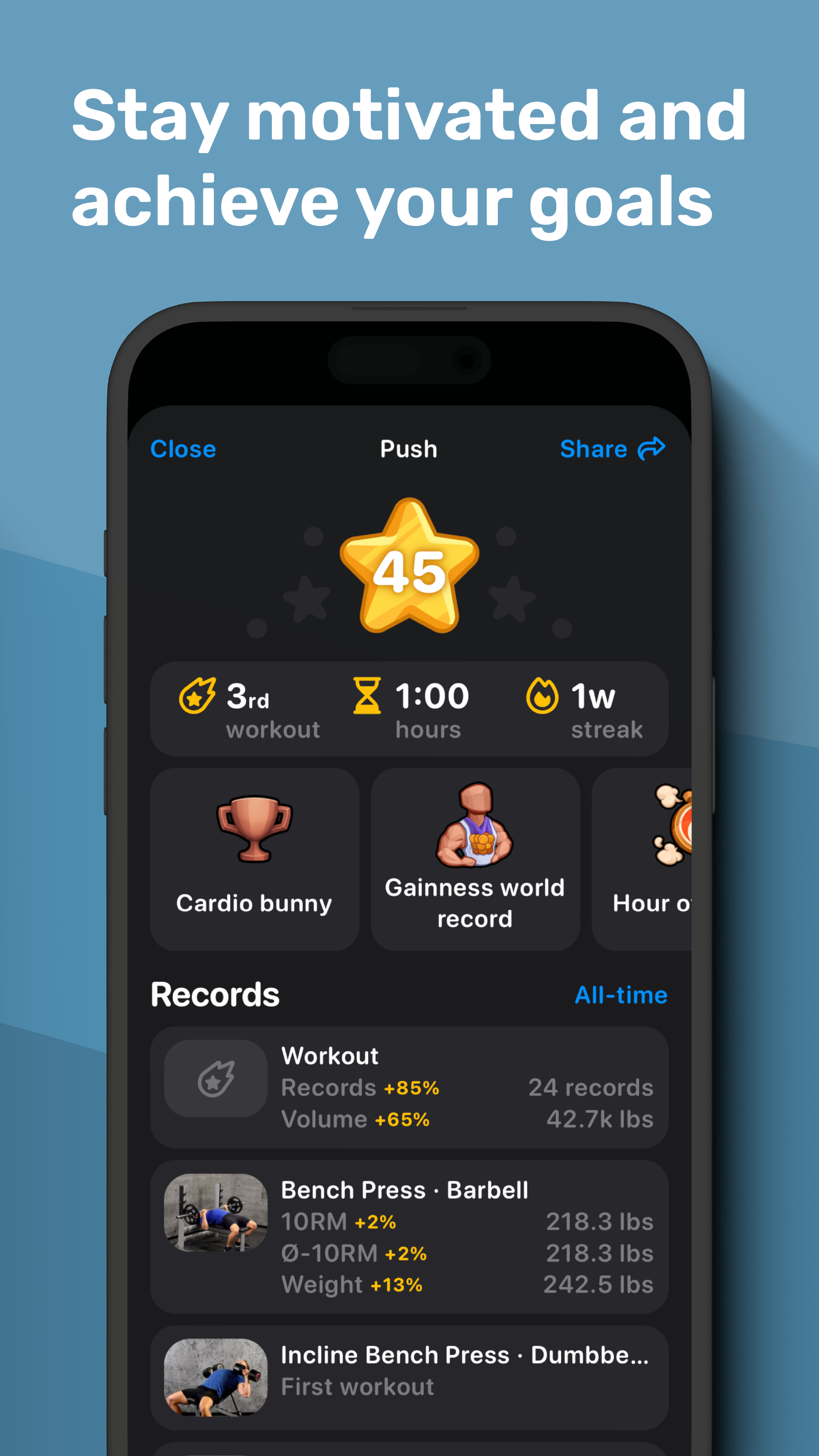
AI-generated dumbbell plans, full equipment support, generous free tier, and the flexibility to customize everything.
Best tracker
Hevy
Clean, fast logging with social features. Bring your own program and Hevy tracks it beautifully.
Best for gym
Strong
Minimal, no-nonsense tracker with Apple Watch support. Handles dumbbells, barbells, and machines equally well.
Best exercise library
JEFIT
1,400+ exercises with HD video demos. Unmatched for discovering new dumbbell movements and targeting specific muscles.
Best AI programming
FitBod
Fully automated workouts based on recovery and history. Show up, follow the app, go home.
Detailed Reviews
1. Fitloop Best Overall
Free / $5.99 mo · $39.99 yr · 4.9 stars
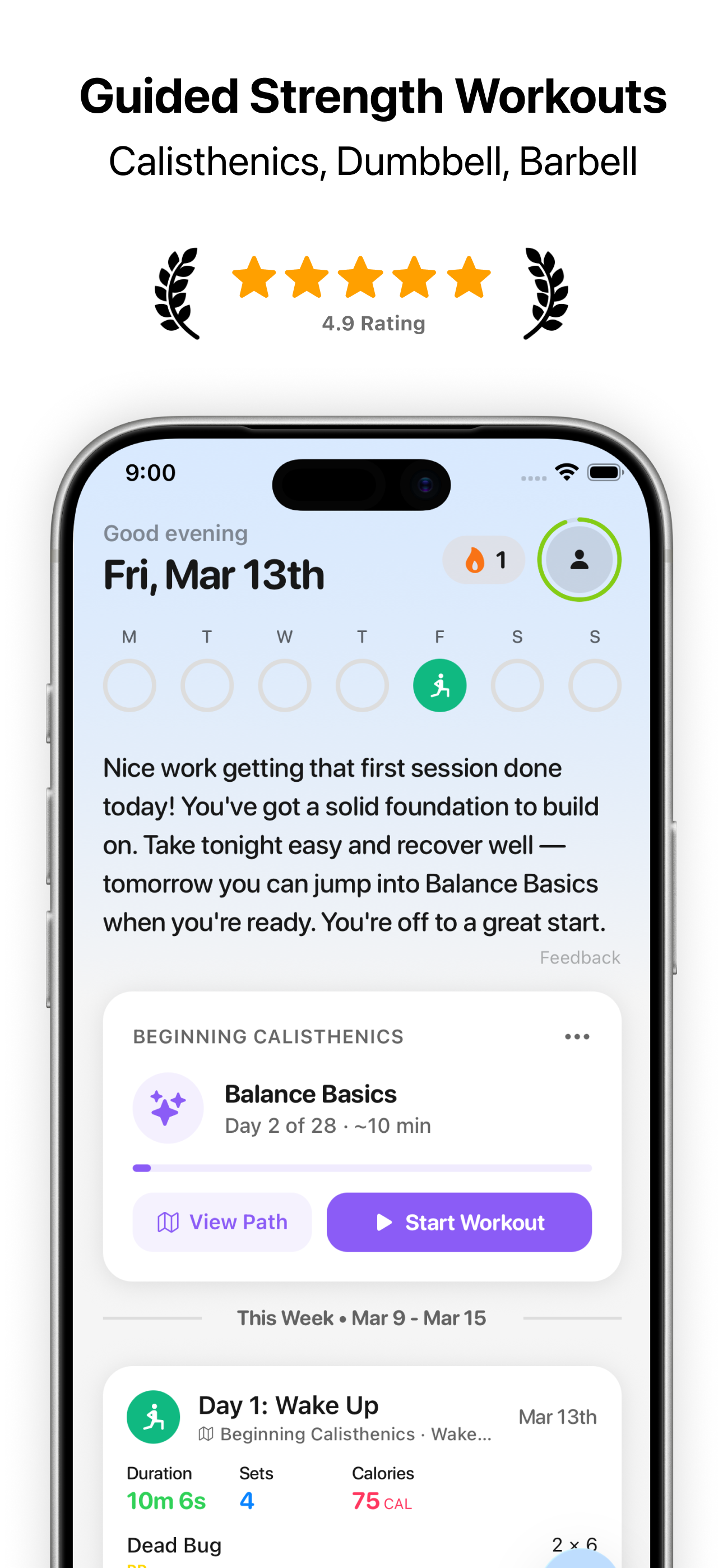
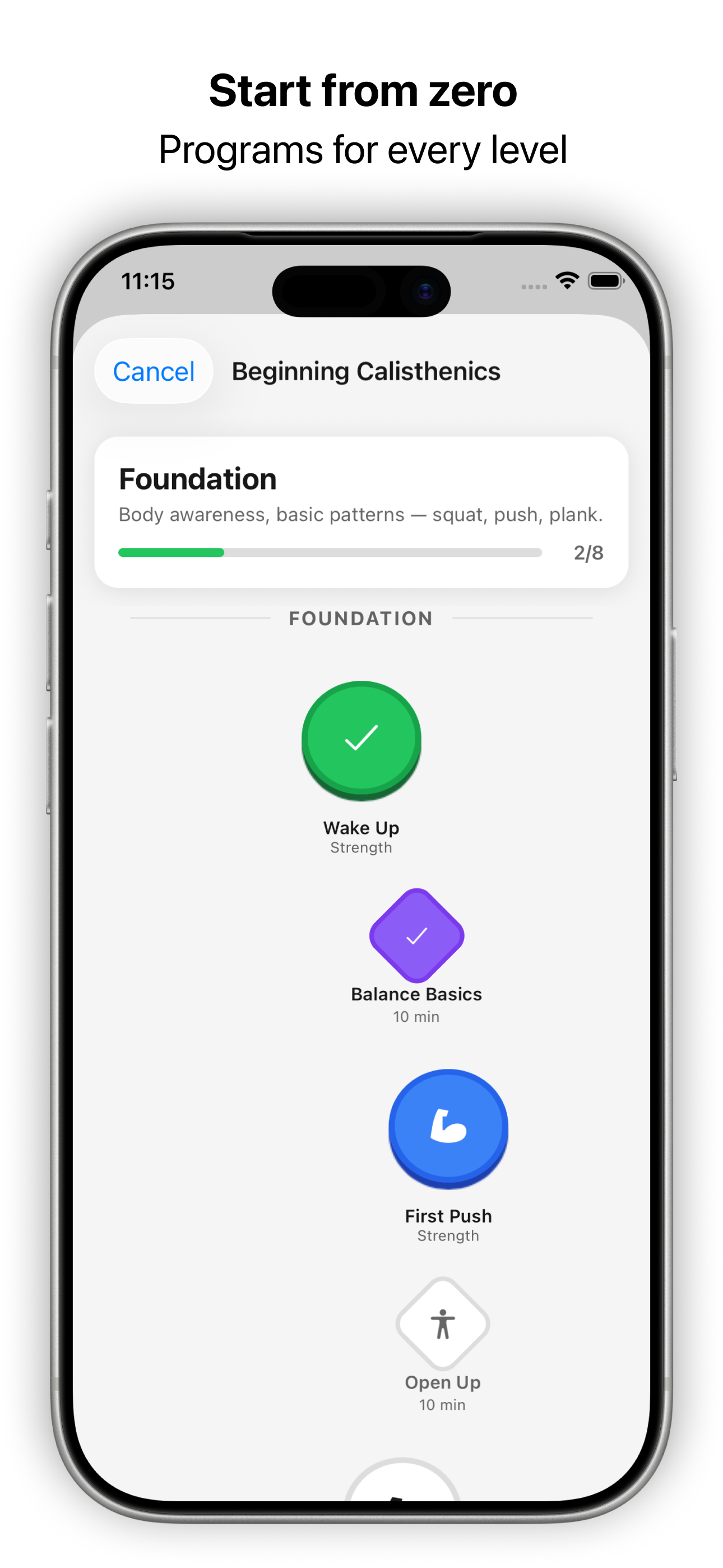
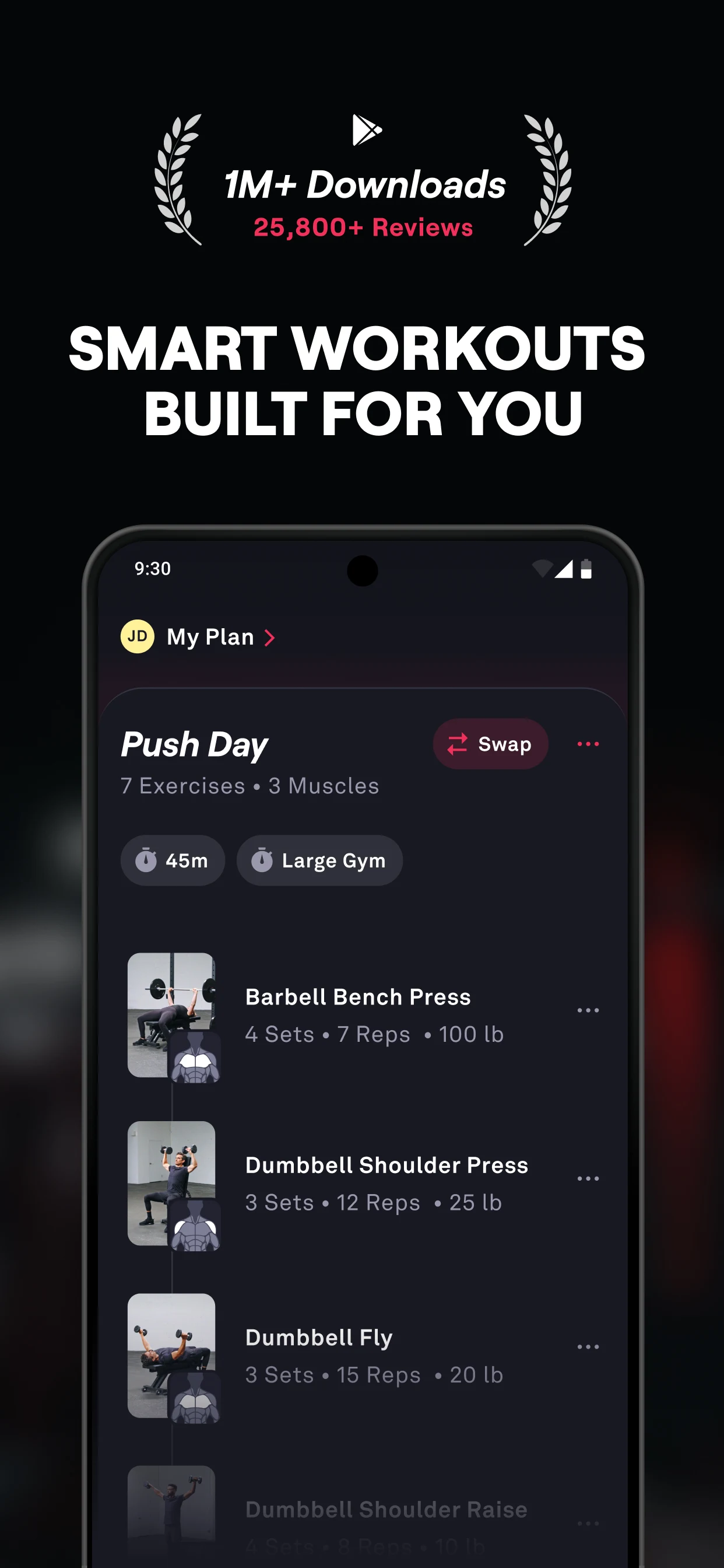
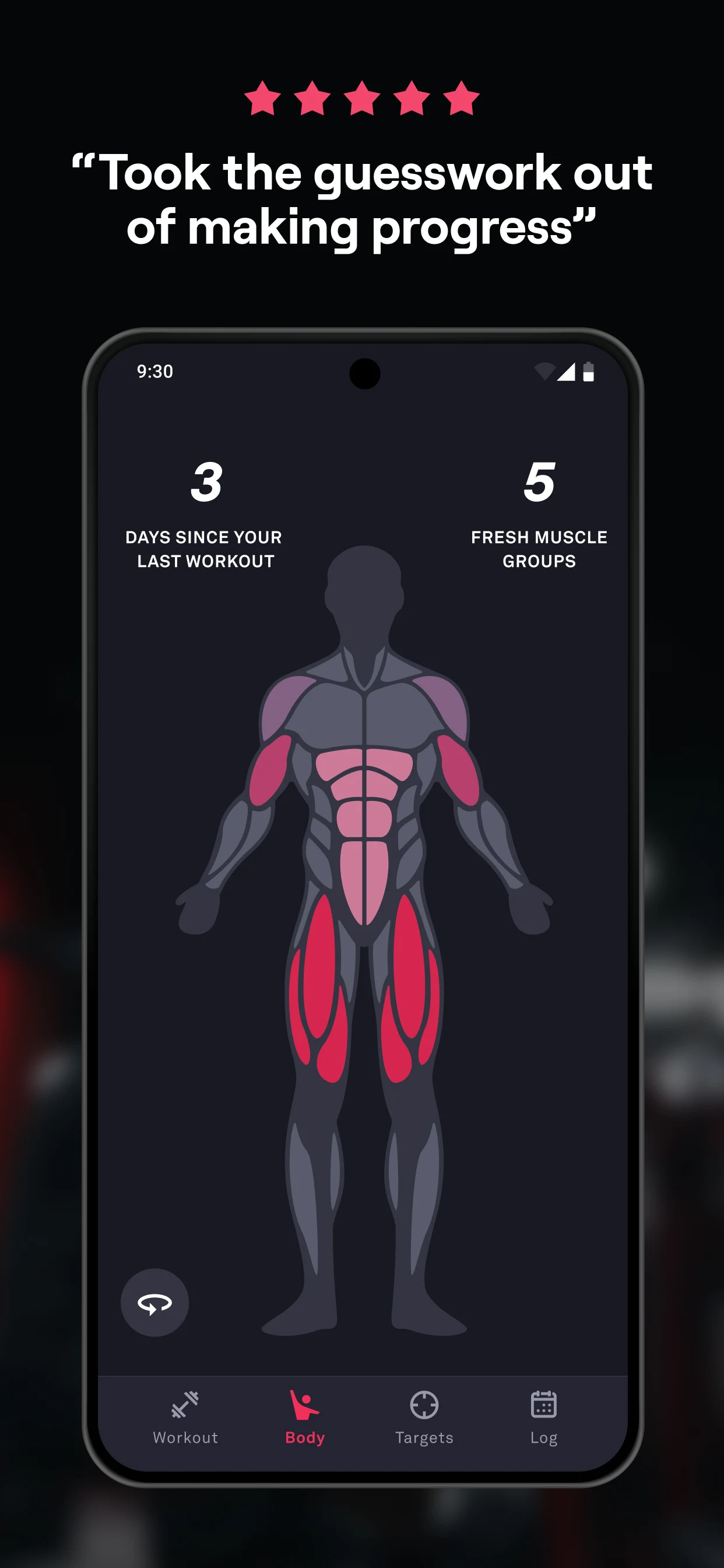
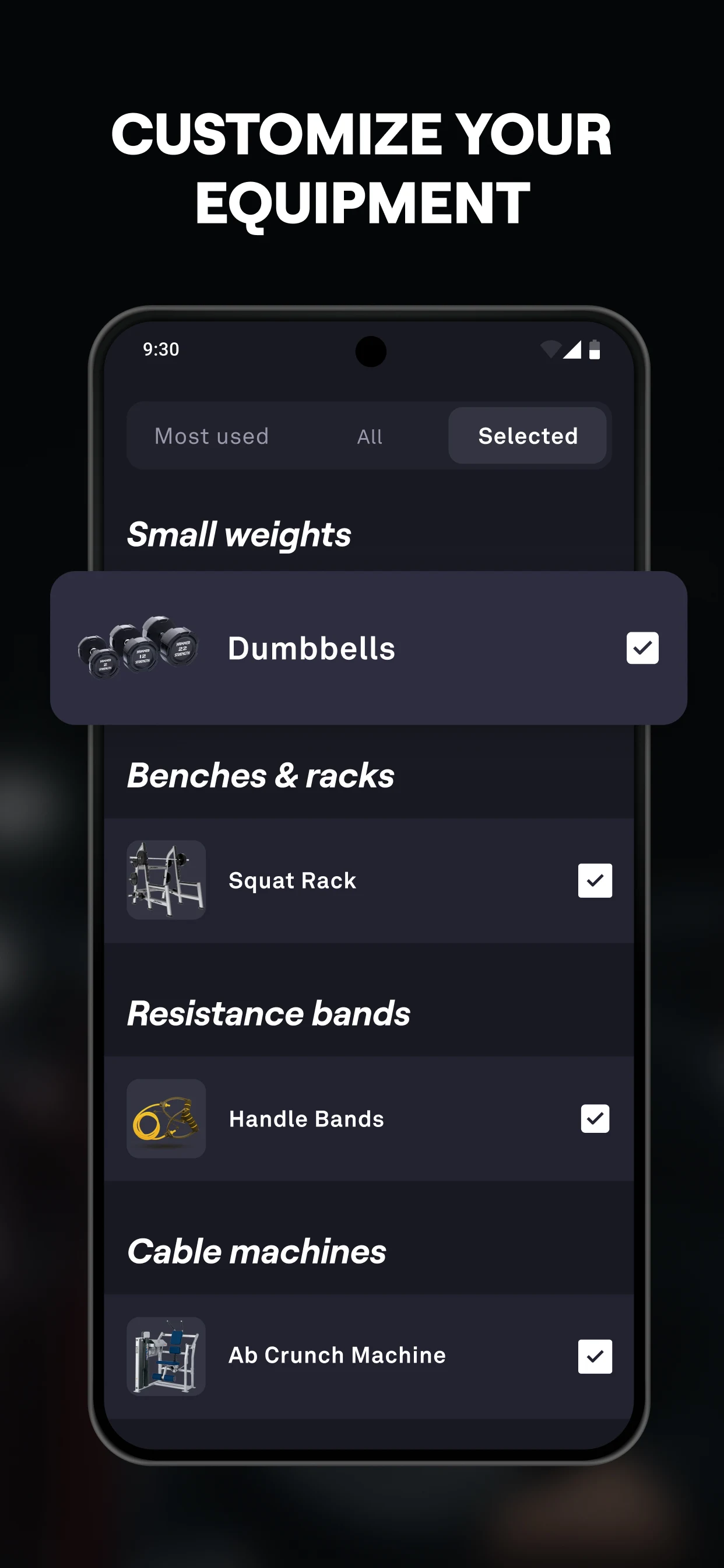
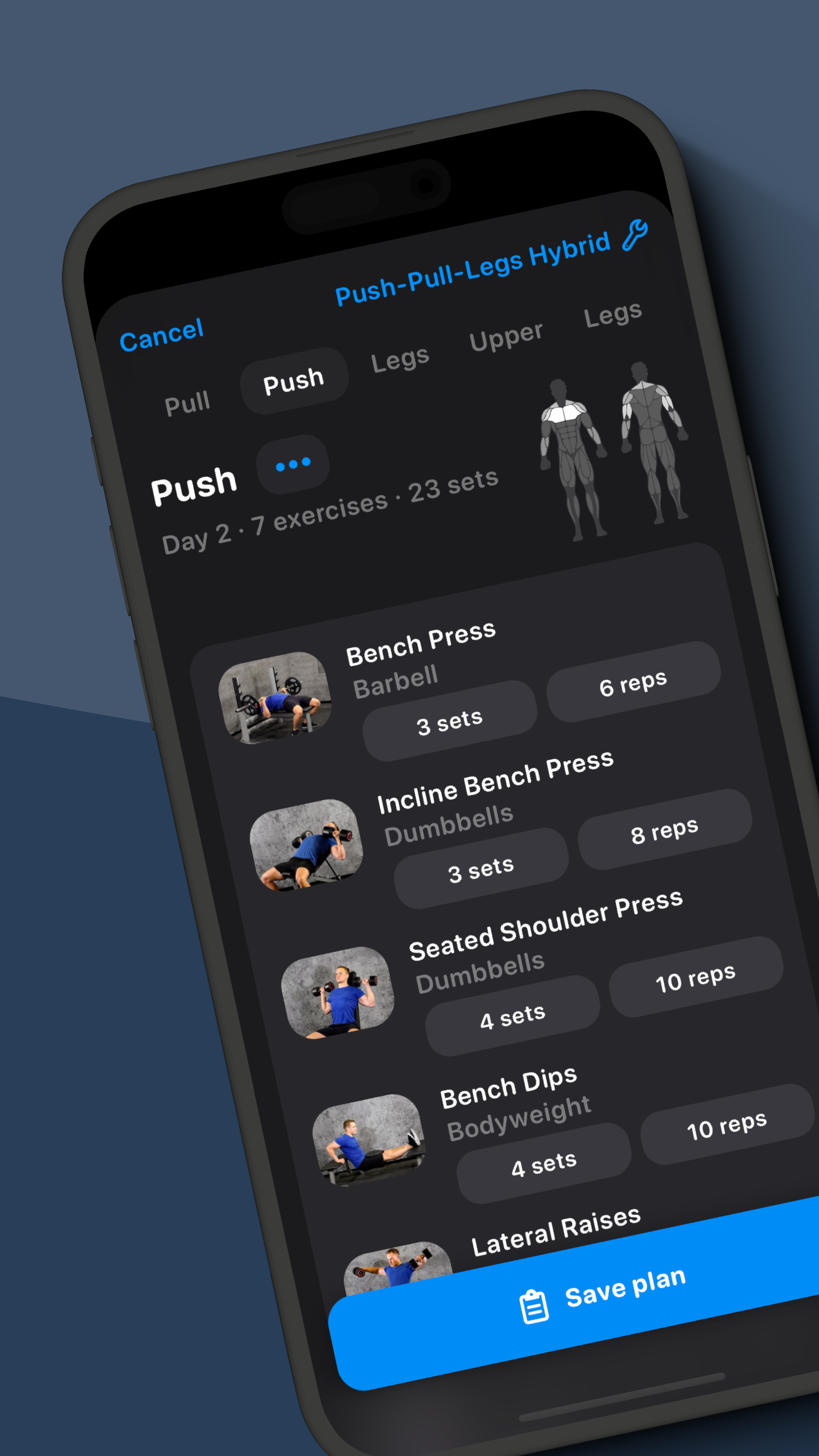
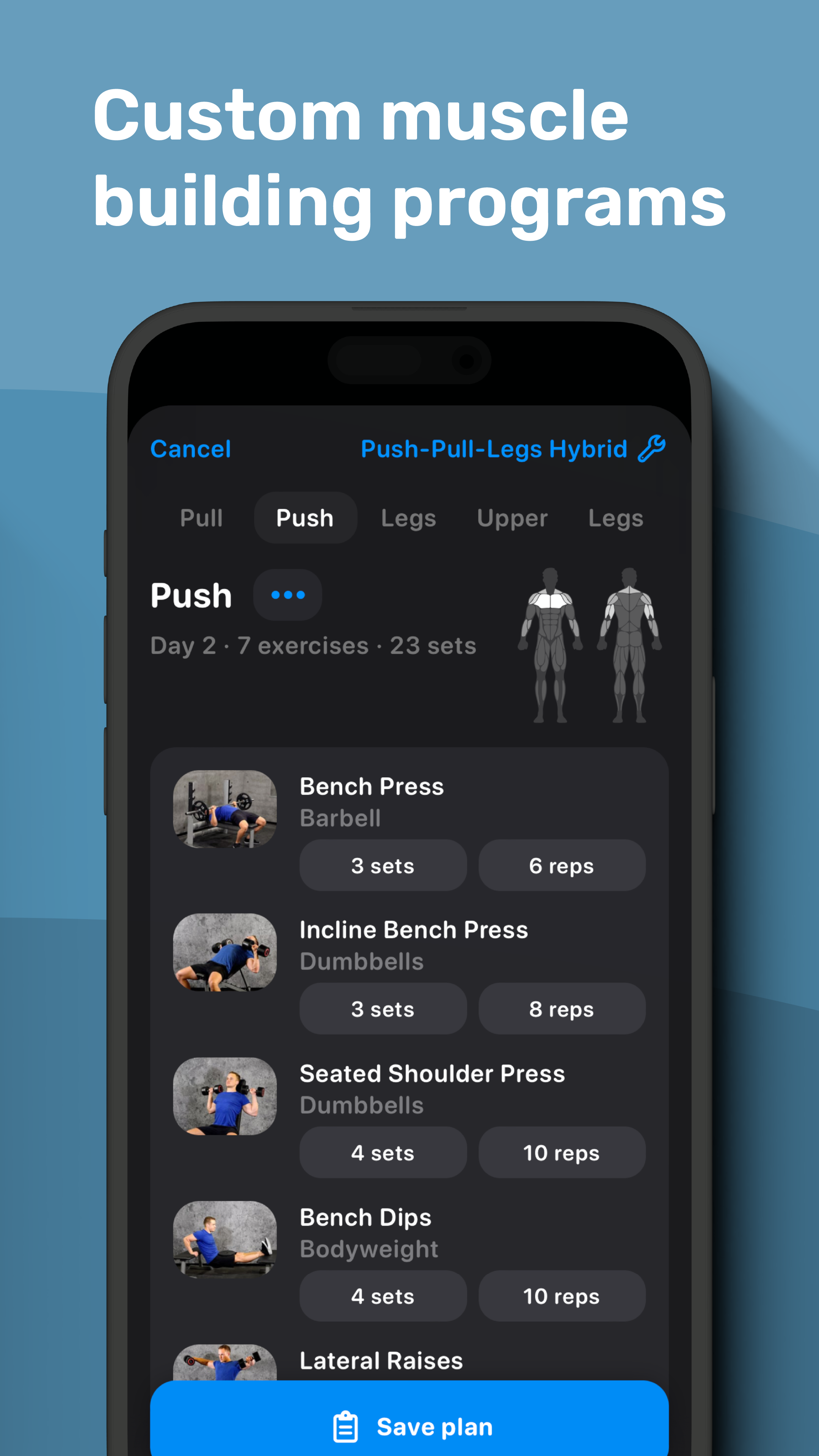
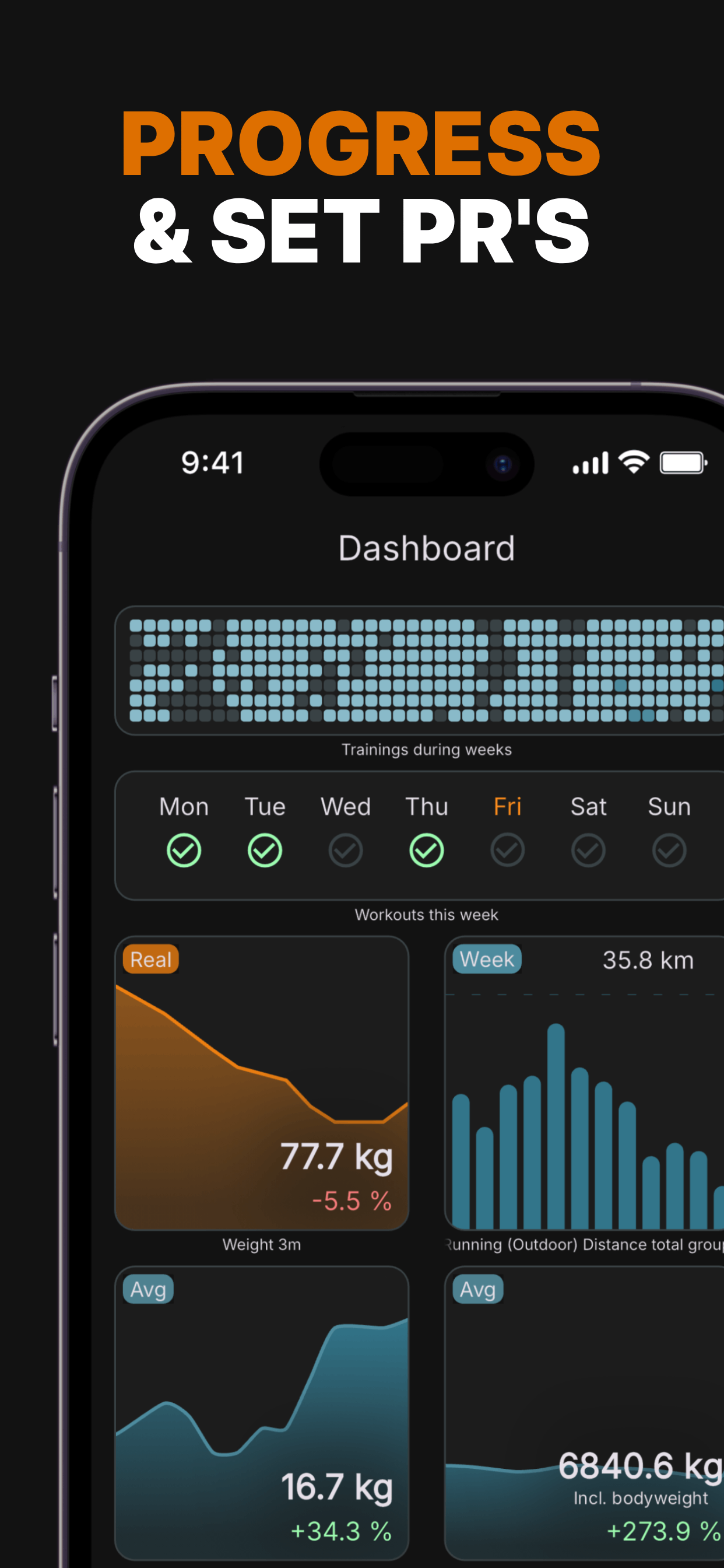
Fitloop started as a calisthenics app but has evolved into a full strength training platform that supports dumbbells, barbells, kettlebells, and bodyweight exercises. The AI plan generator creates personalized dumbbell workout programs based on your equipment, experience level, and goals. You can generate a complete 4-week dumbbell-only program in under a minute.
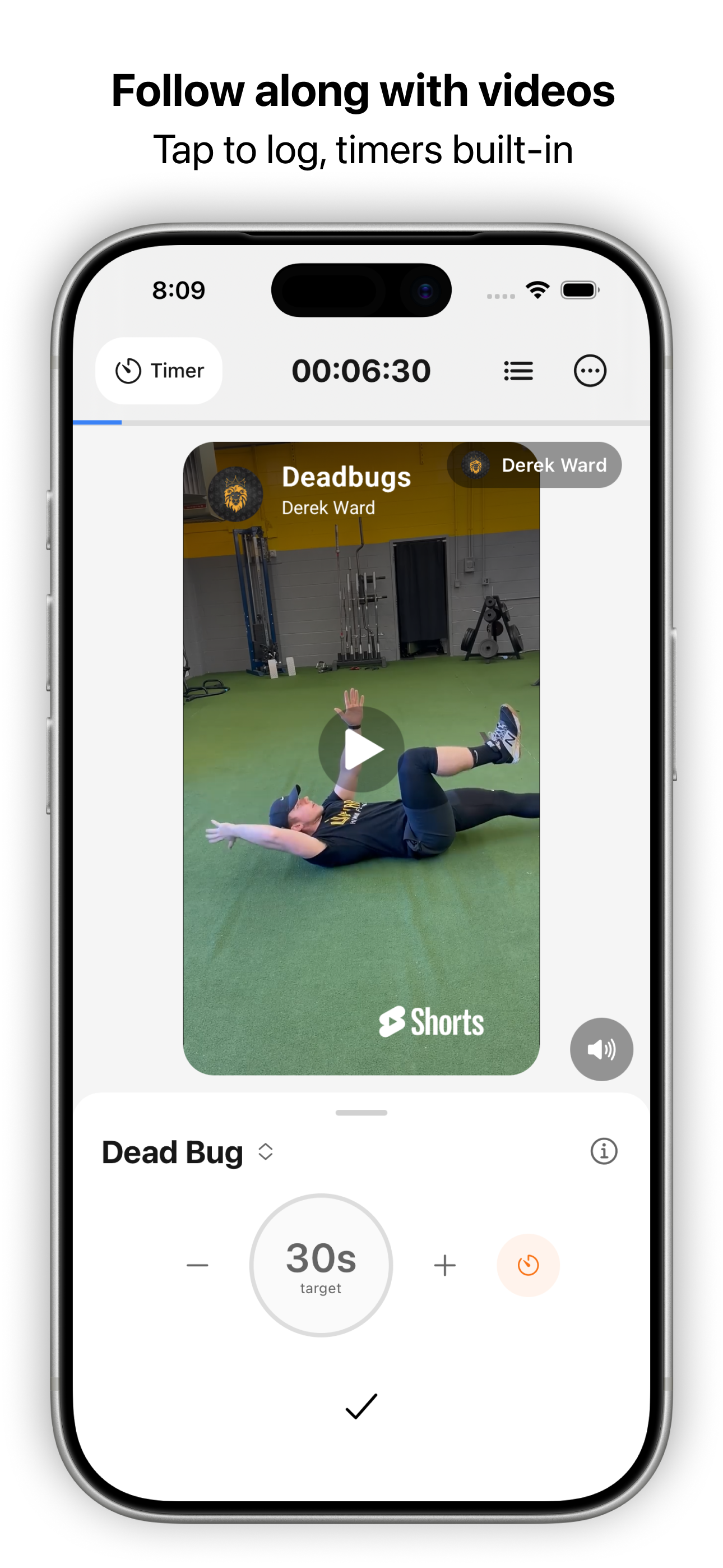
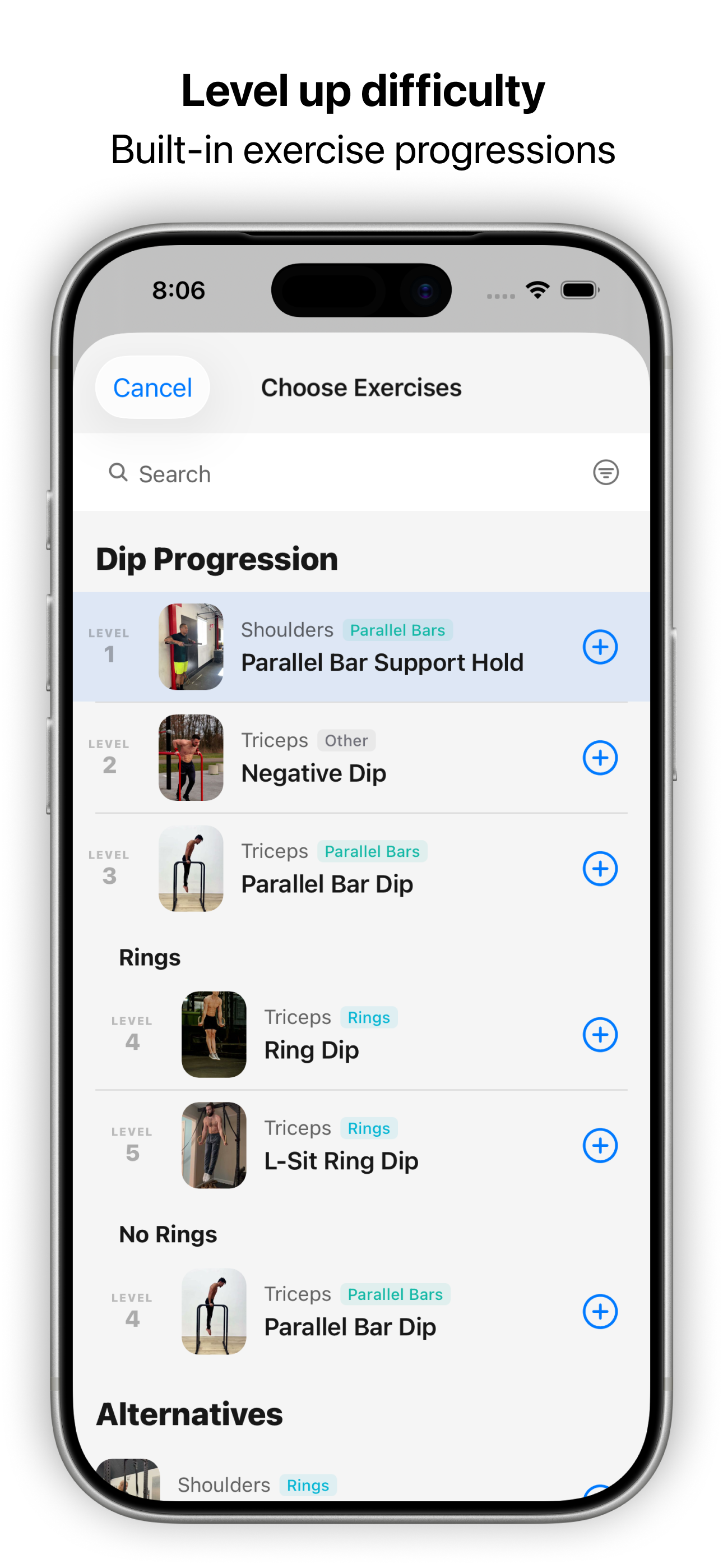
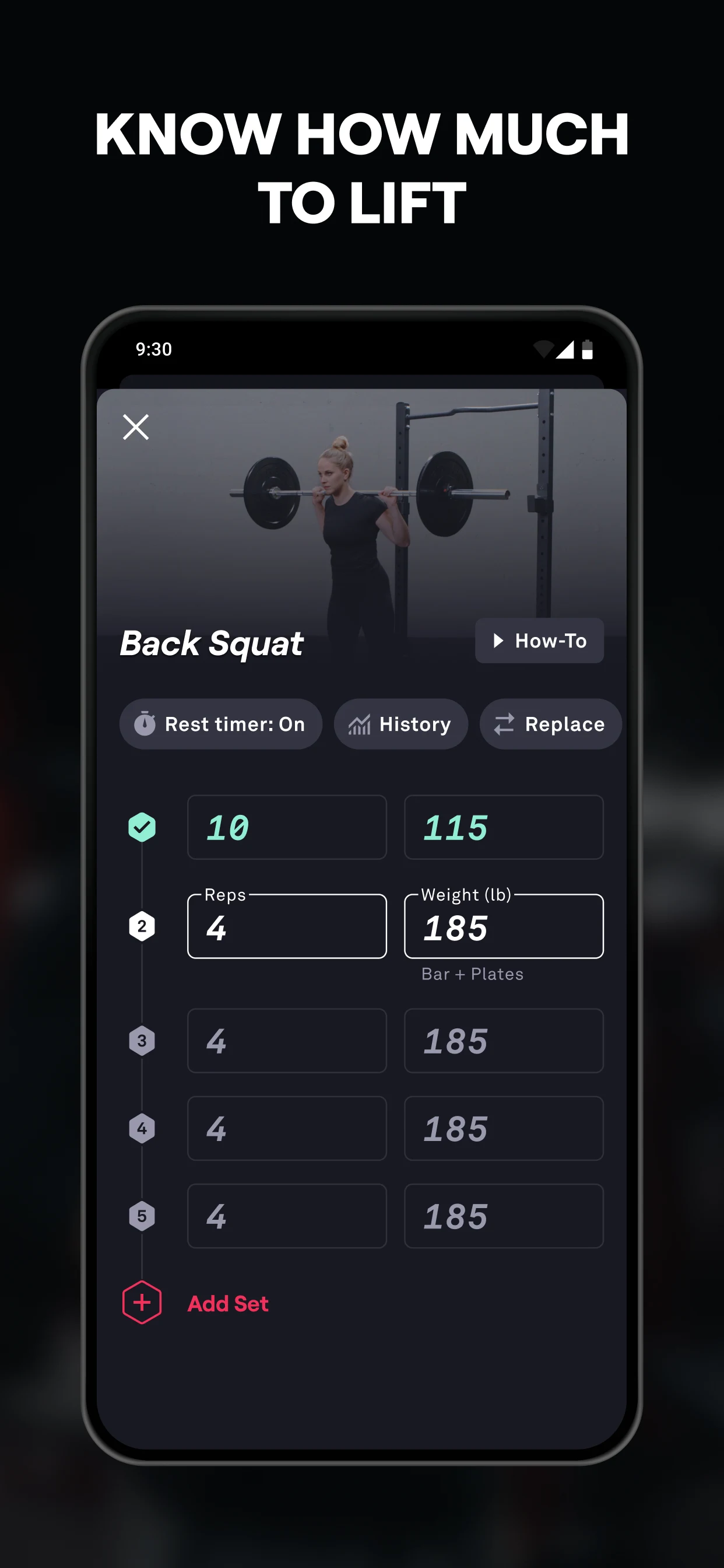
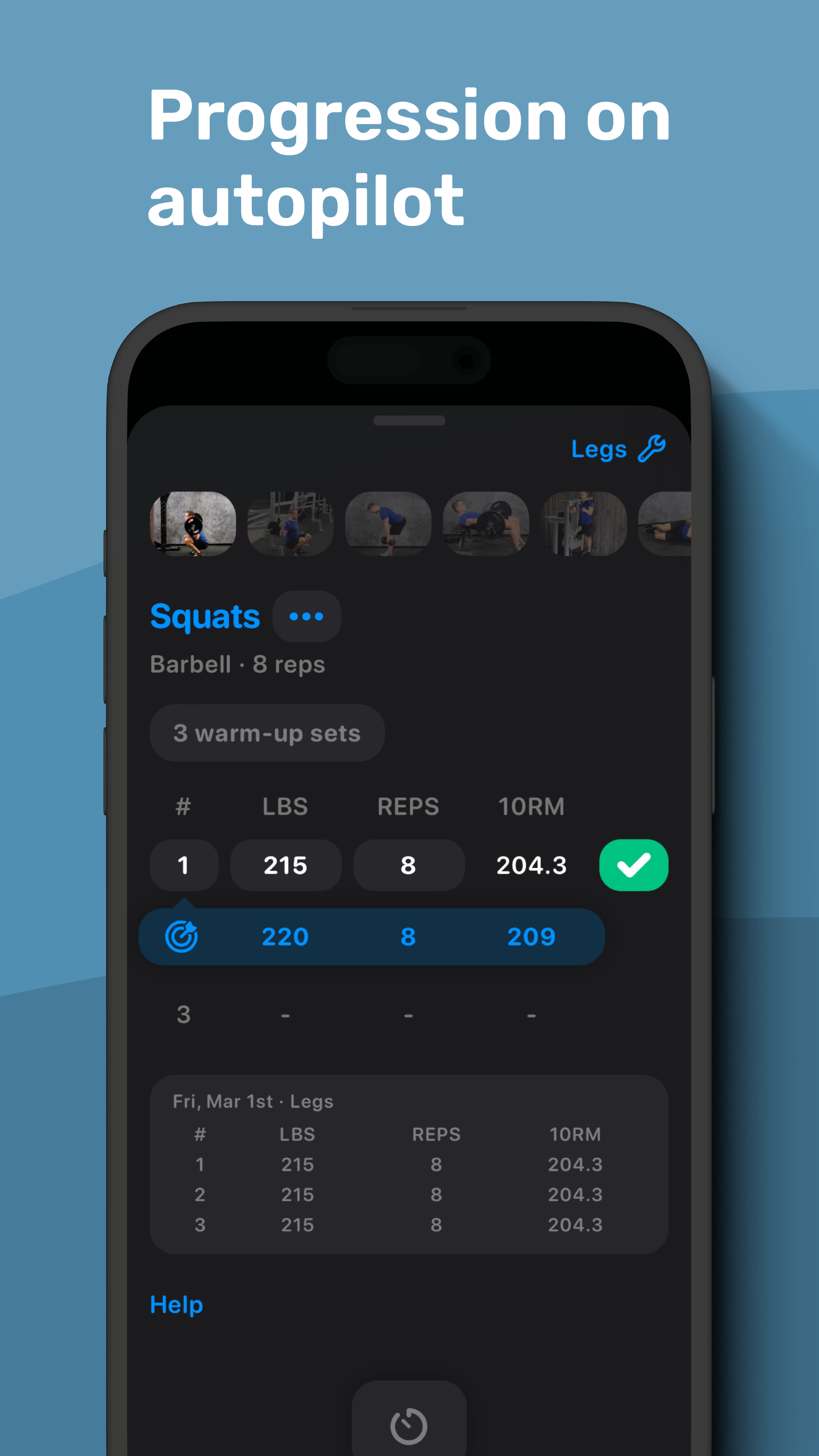
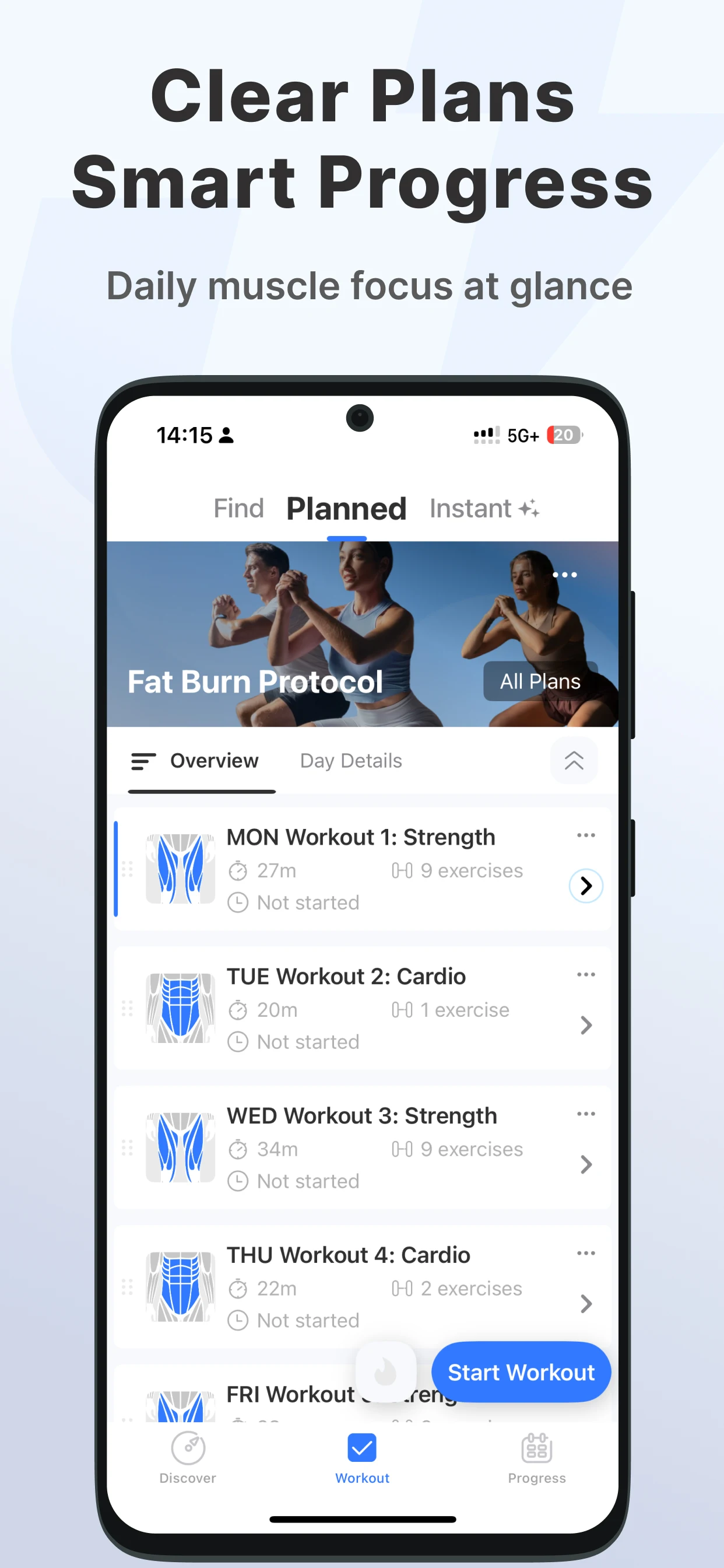
The free tier includes full workout logging, progressive overload tracking, rest timers, and Apple Health / Health Connect sync. The optional Plus subscription ($5.99/month or $39.99/year) unlocks AI-generated plans, coaching insights, and custom program creation. The exercise library includes hundreds of dumbbell movements with video demonstrations, and the workout editor supports supersets, circuits, and drop sets.
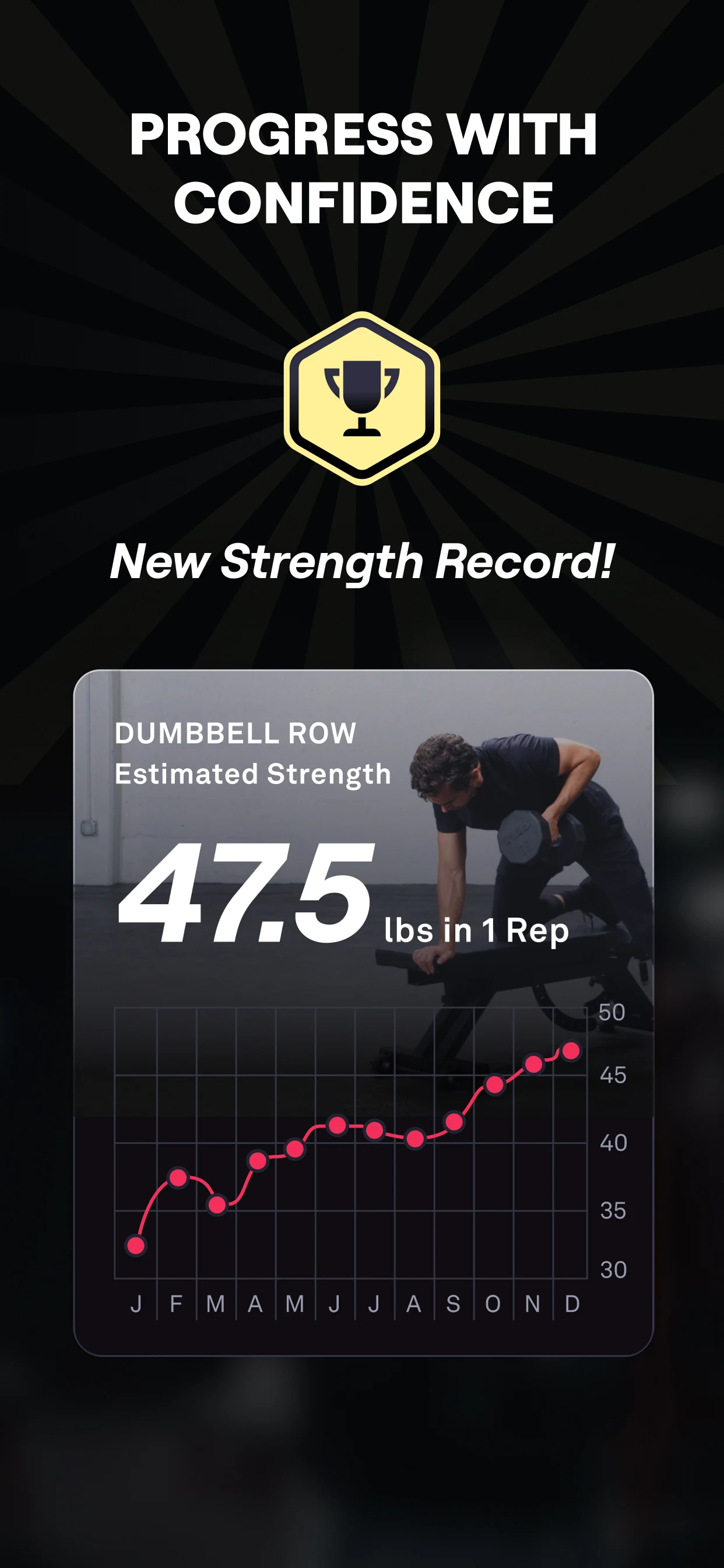
What sets Fitloop apart for dumbbell training is the combination of AI plan generation and manual flexibility. You can let the AI build your program, then tweak individual exercises, sets, and rep ranges to your liking. Progressive overload is tracked automatically, and the app nudges you to increase weight or reps when you are ready. It is the most versatile option on this list for home dumbbell training.
Pros
- AI generates personalized dumbbell workout plans
- Full equipment support: dumbbells, barbells, kettlebells, bodyweight
- Free tier with no paywalls on core tracking features
- Apple Health and Health Connect integration
- Video demos for every dumbbell exercise
Cons
- AI plan generation requires Plus subscription
Popular dumbbell programs on Fitloop:
2. Hevy Best Tracker
Free / $9.99 mo · $49.99 yr · 4.9 stars
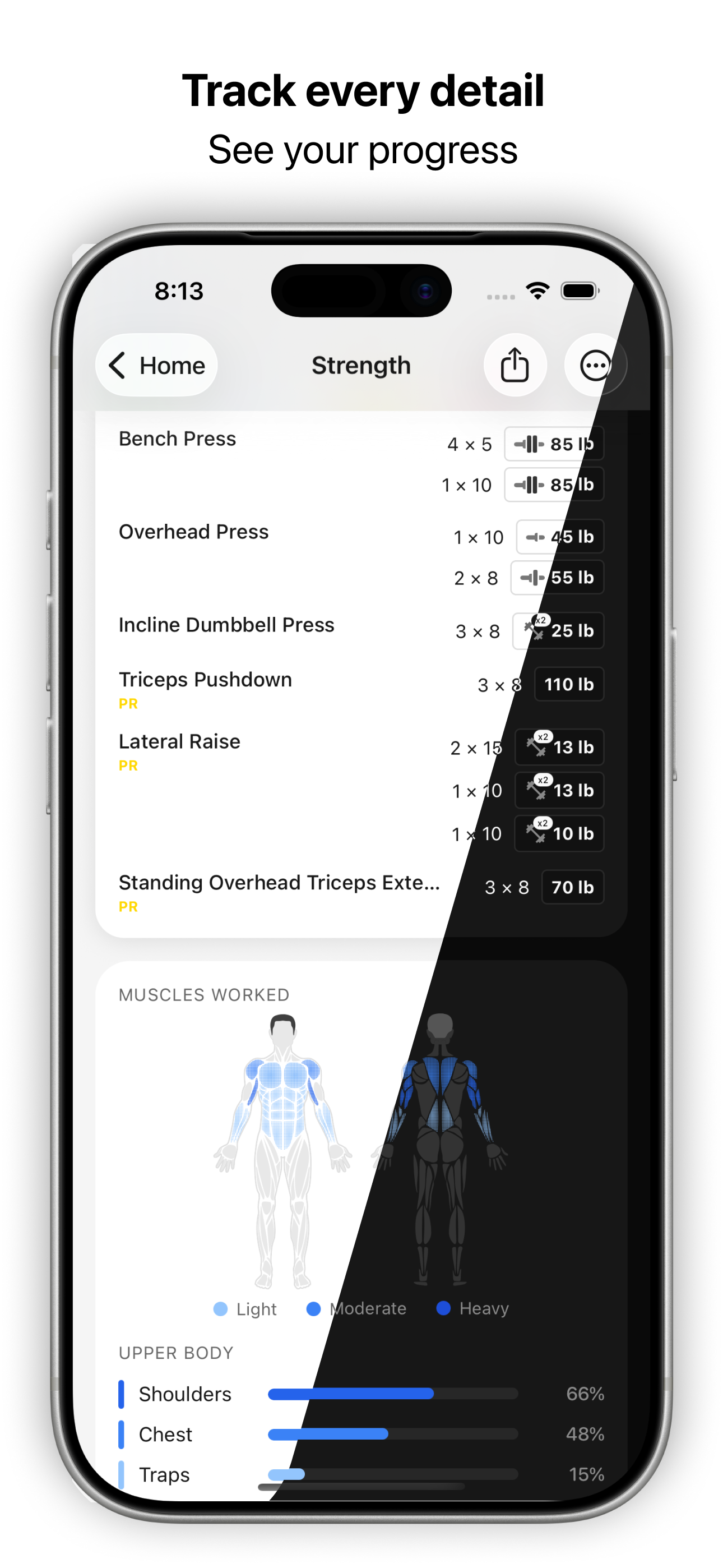
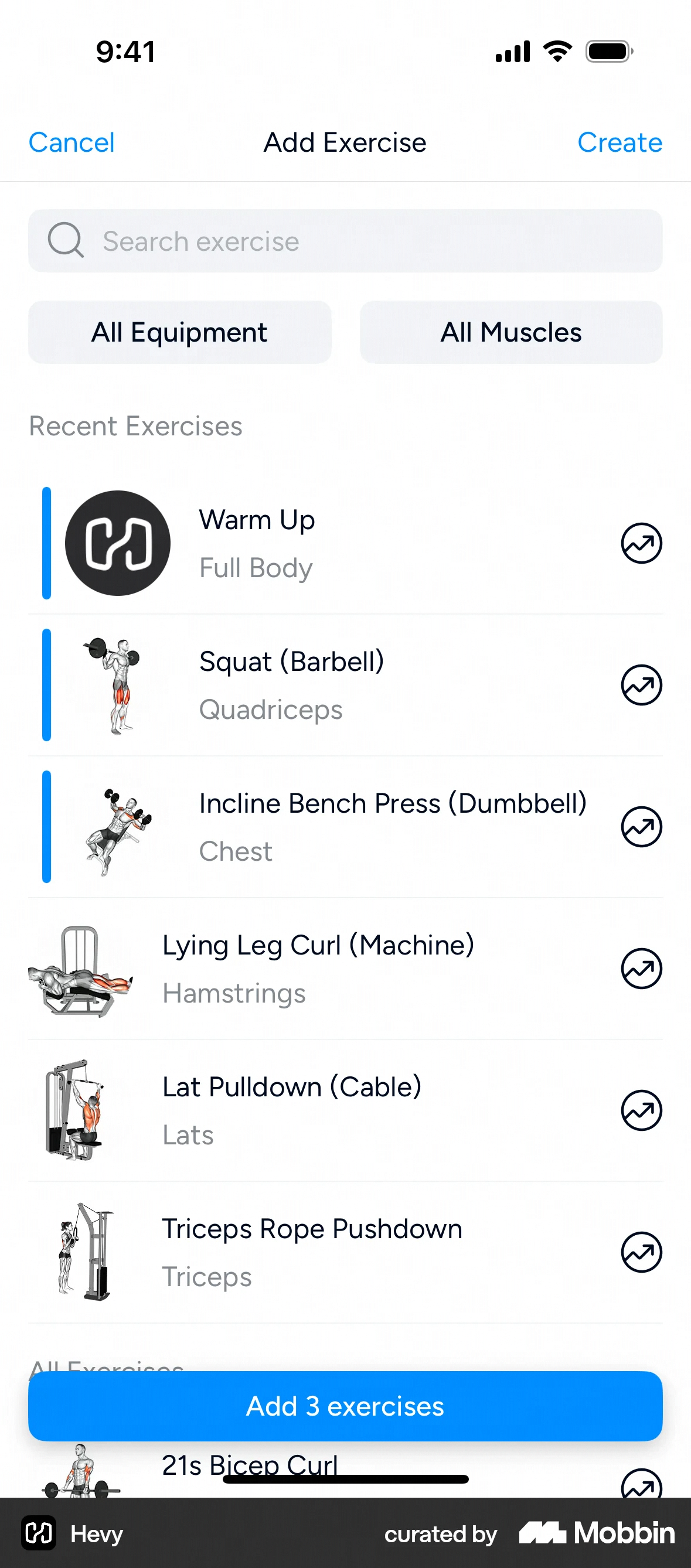
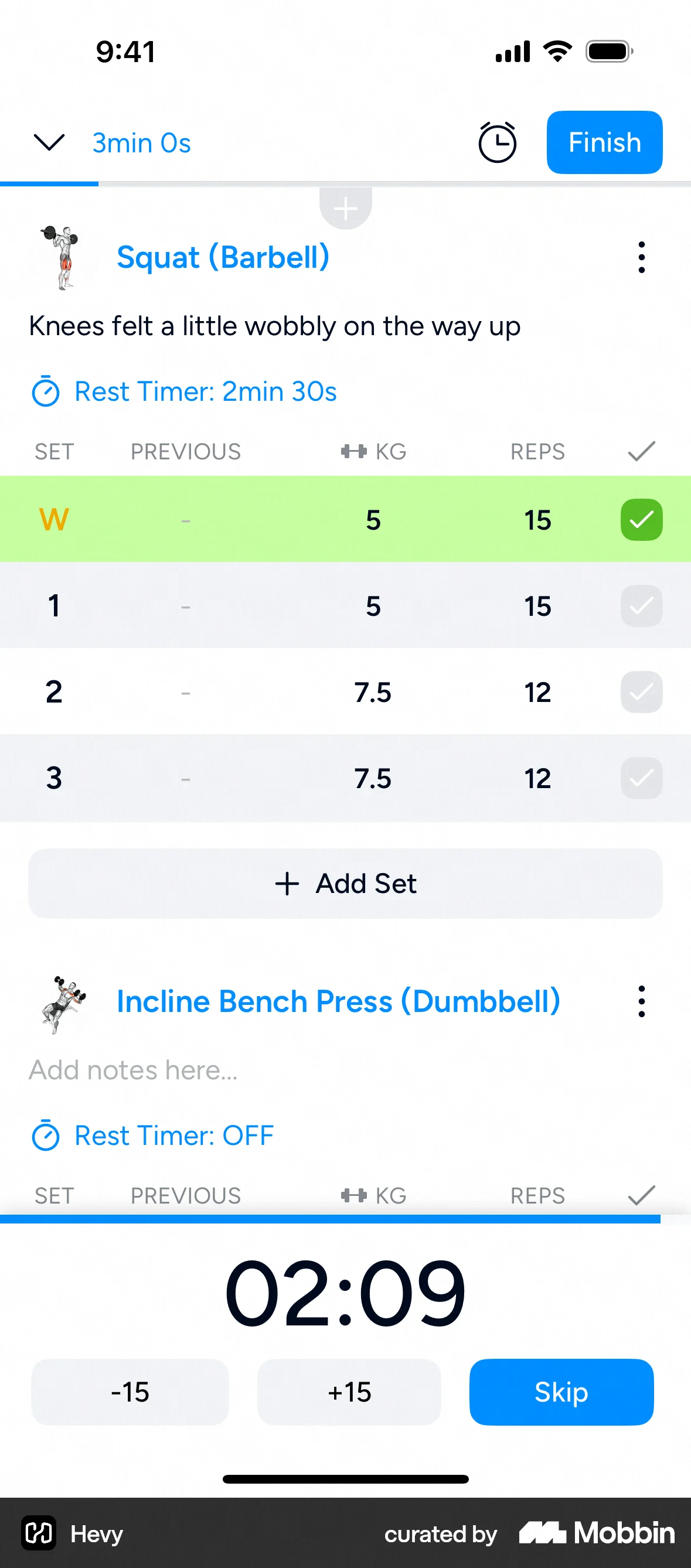
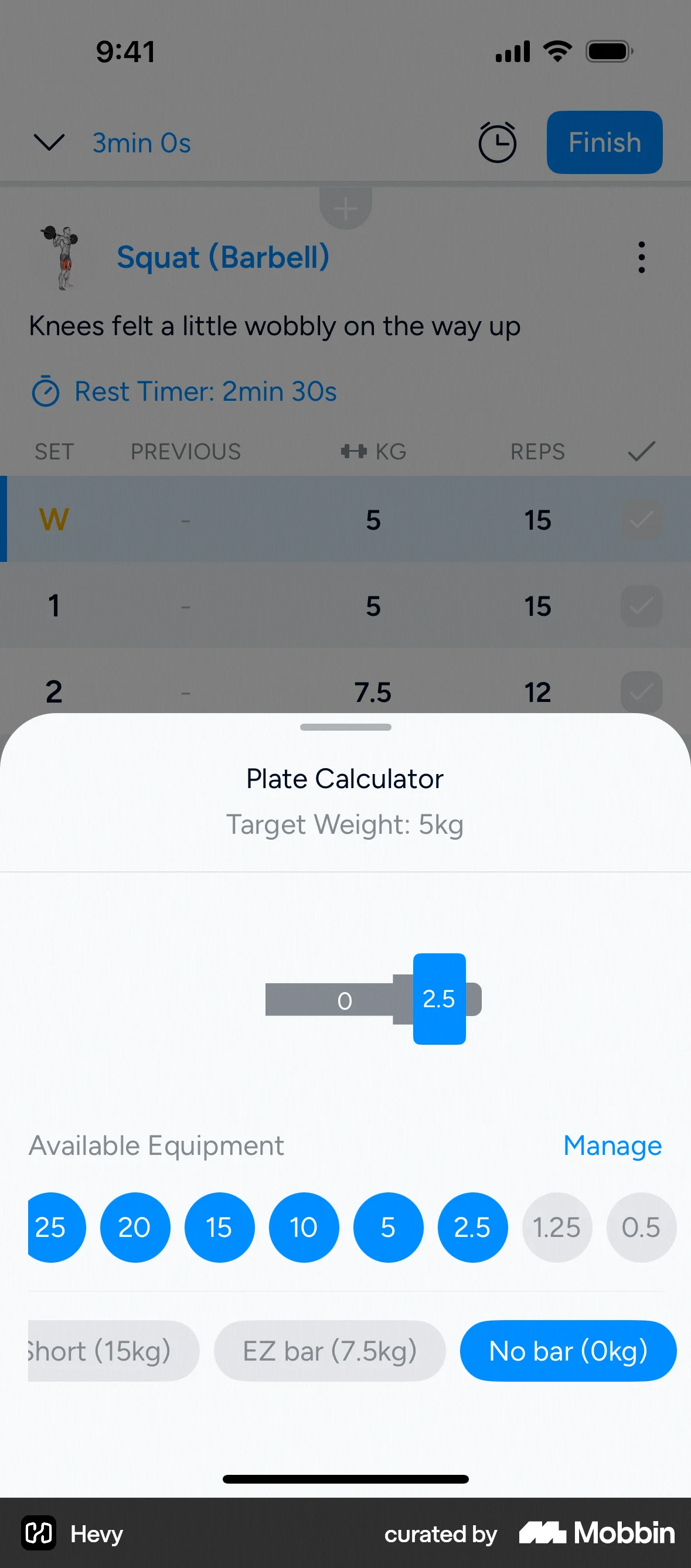
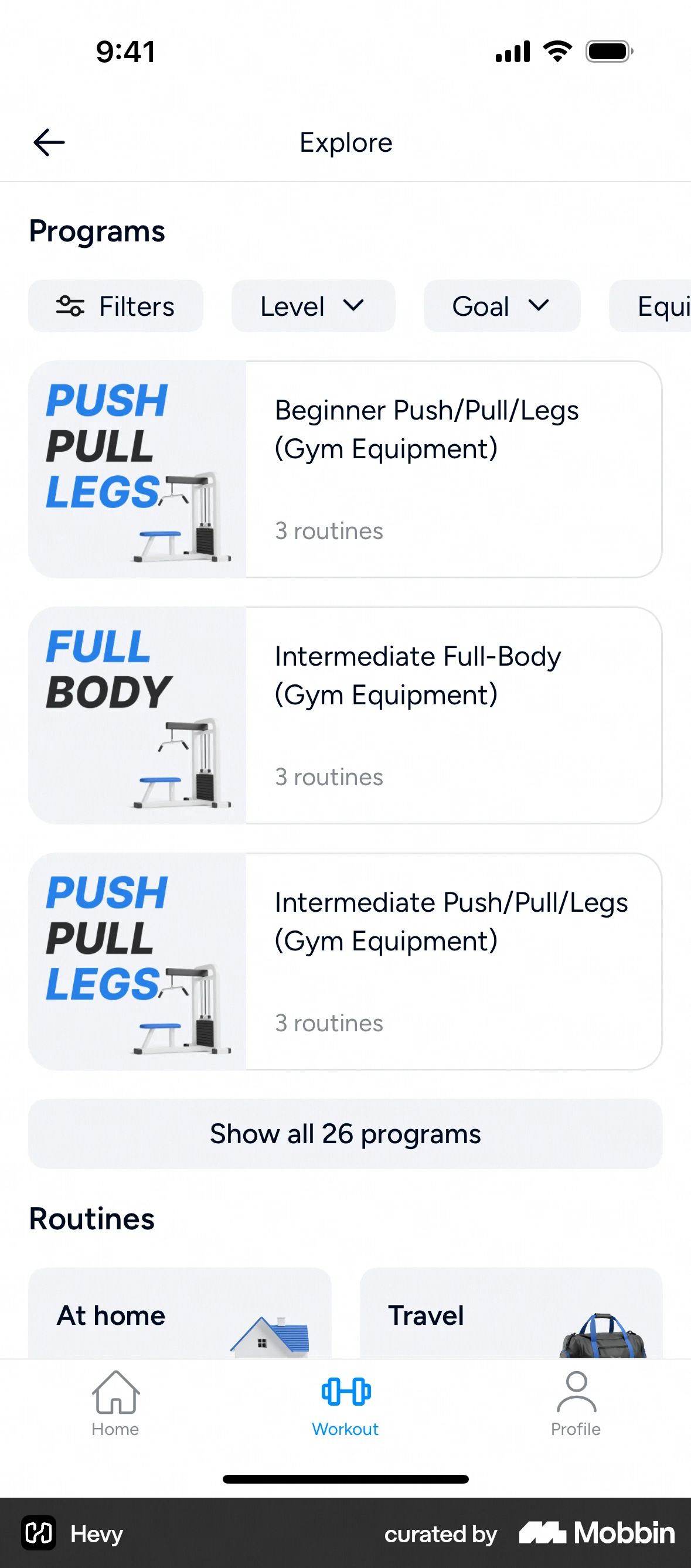
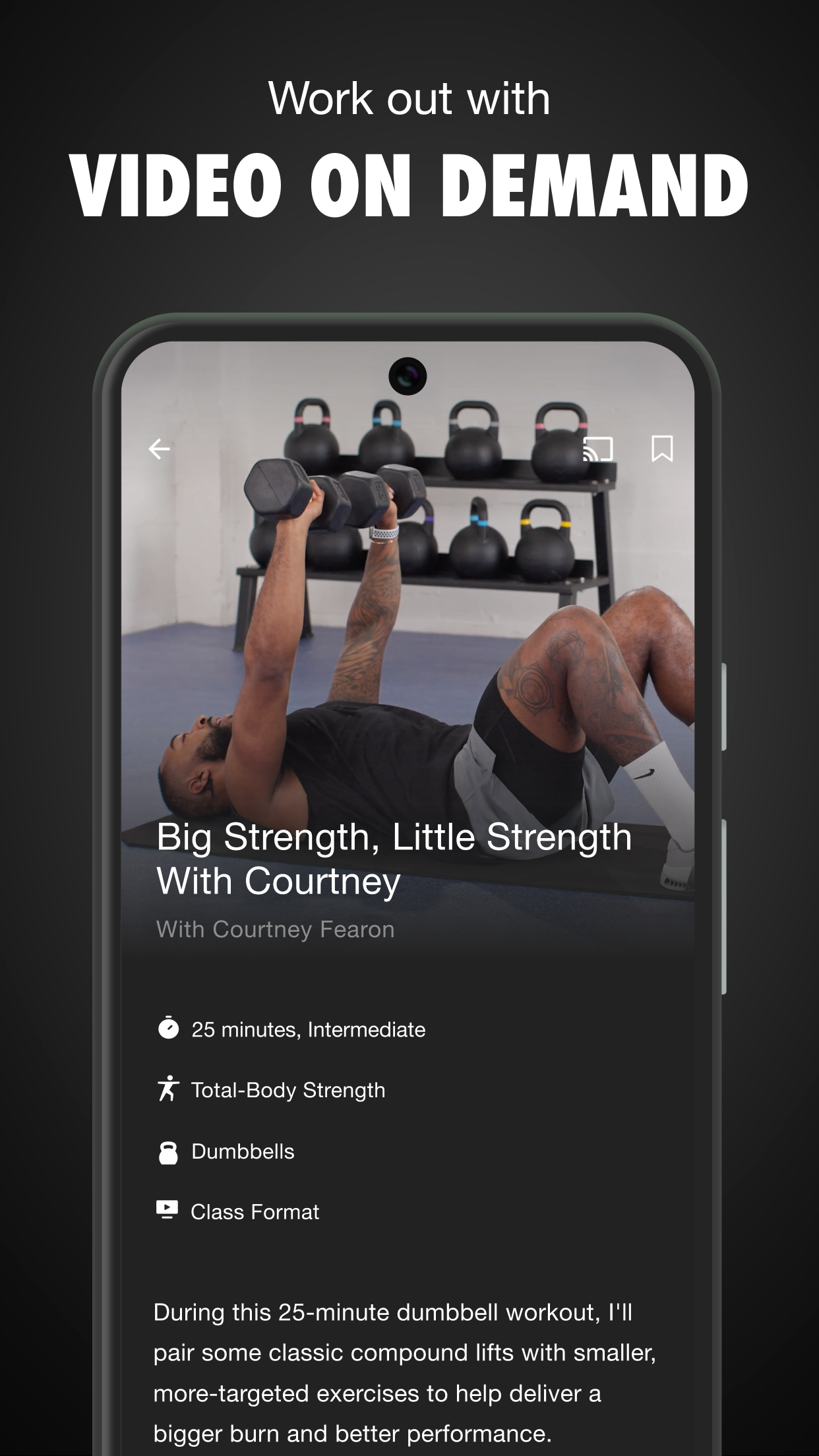
Hevy is a clean, social-first workout tracker that has gained a loyal following among gym-goers and home lifters alike. The interface is intuitive and fast, making it easy to log dumbbell exercises mid-set without fumbling. The exercise library is extensive, covering every standard dumbbell movement with clear animations.
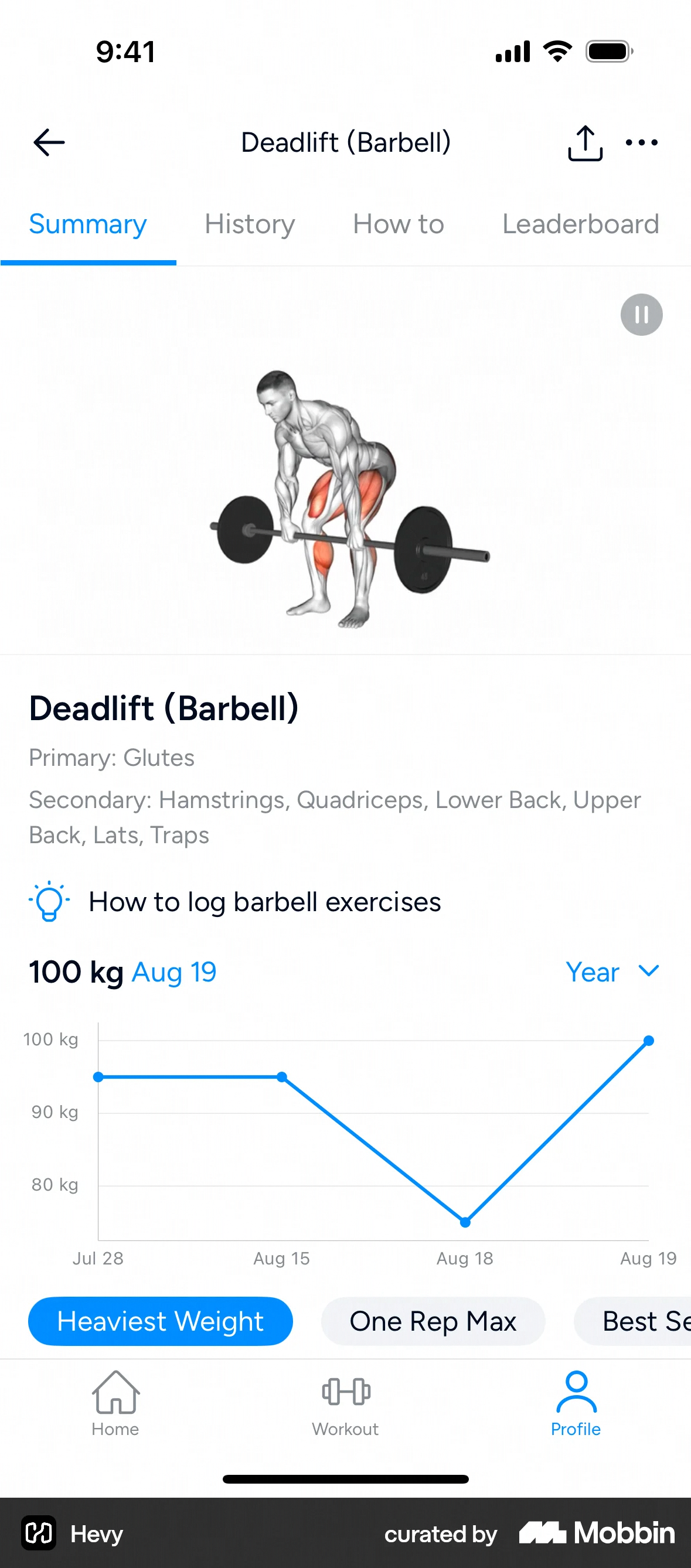
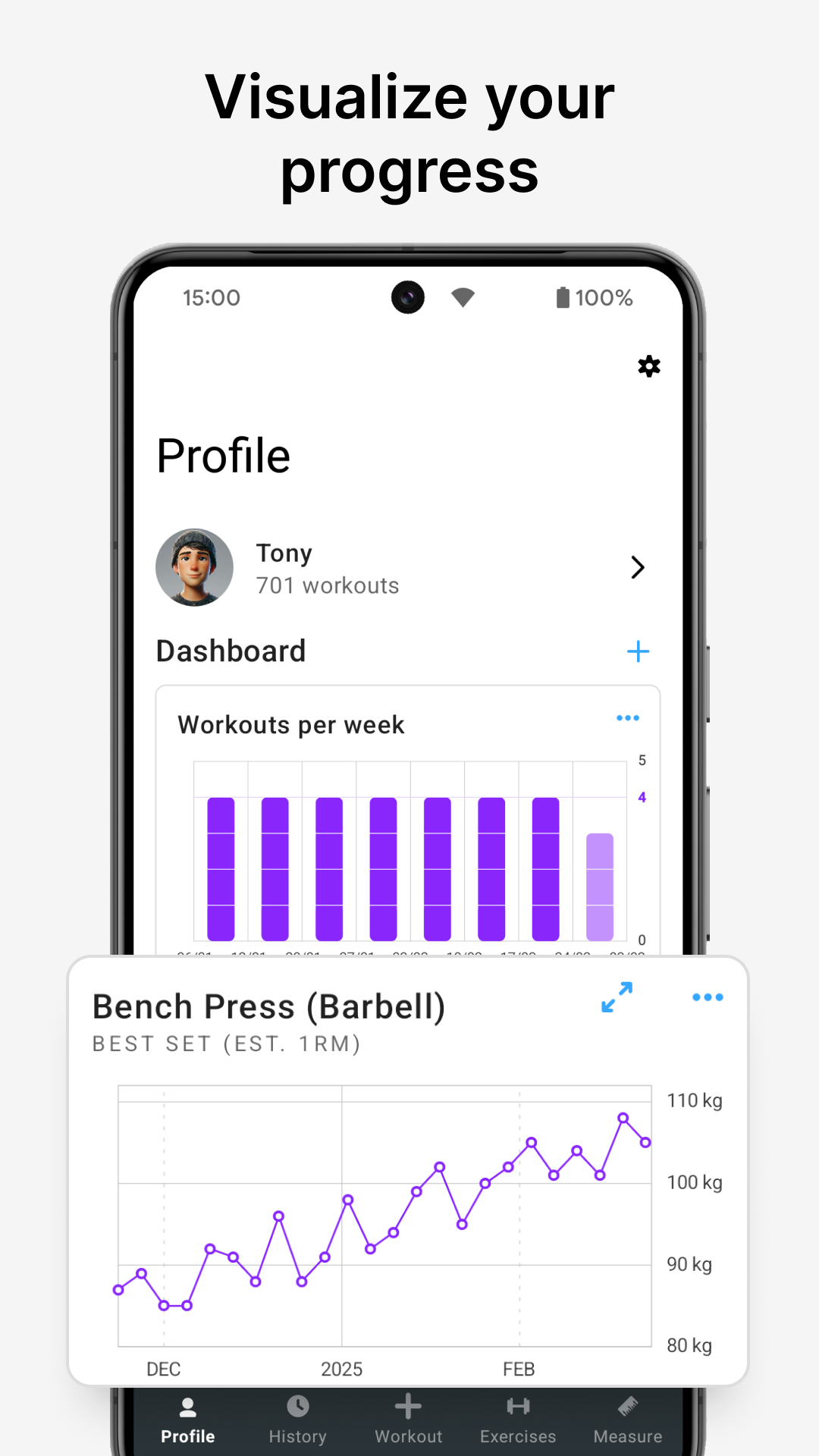
The free tier is generous: unlimited workout logging, basic progress charts, and a social feed where you can follow friends and share workouts. Pro unlocks advanced analytics, personal records tracking across all exercises, and the ability to create and share custom routines. Hevy also supports rest timers and workout templates for quick session starts.
Hevy shines as a pure tracker. If you already know what exercises to do and just need a fast, reliable way to log weight and reps, Hevy is hard to beat. The social features add accountability, and the UI is among the cleanest in the category. The main limitation is that it does not generate programs for you, so you need to bring your own plan or find one online.
Pros
- Clean, fast UI designed for mid-workout logging
- Strong social features and workout sharing
- Generous free tier with unlimited logging
- Large exercise library with animations
Cons
- No AI plan generation or structured programs
- Pro subscription needed for advanced analytics
- More of a logger than a coach
3. Strong Best for Gym
Free / $4.99 mo · $29.99 yr · 4.9 stars
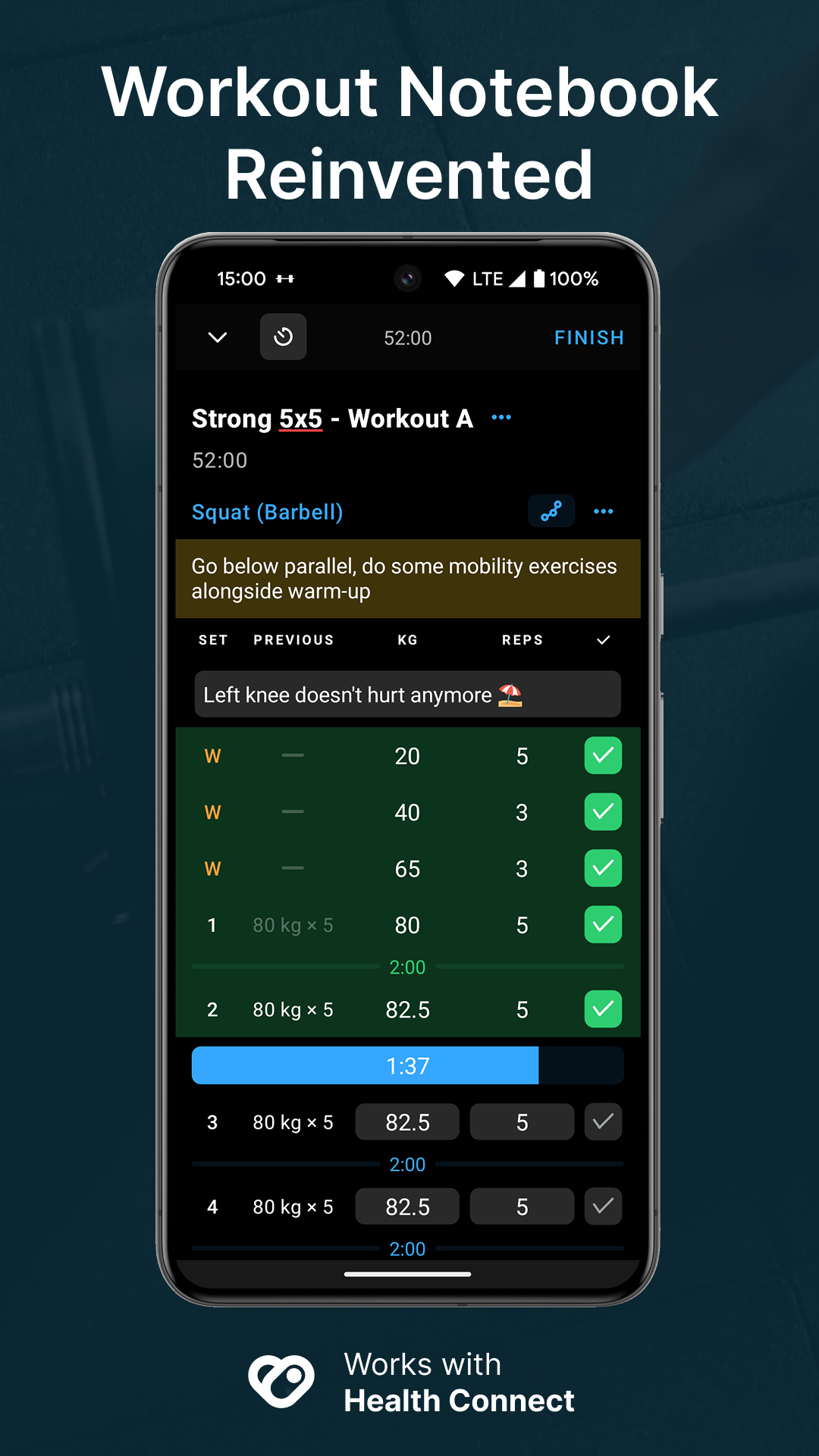
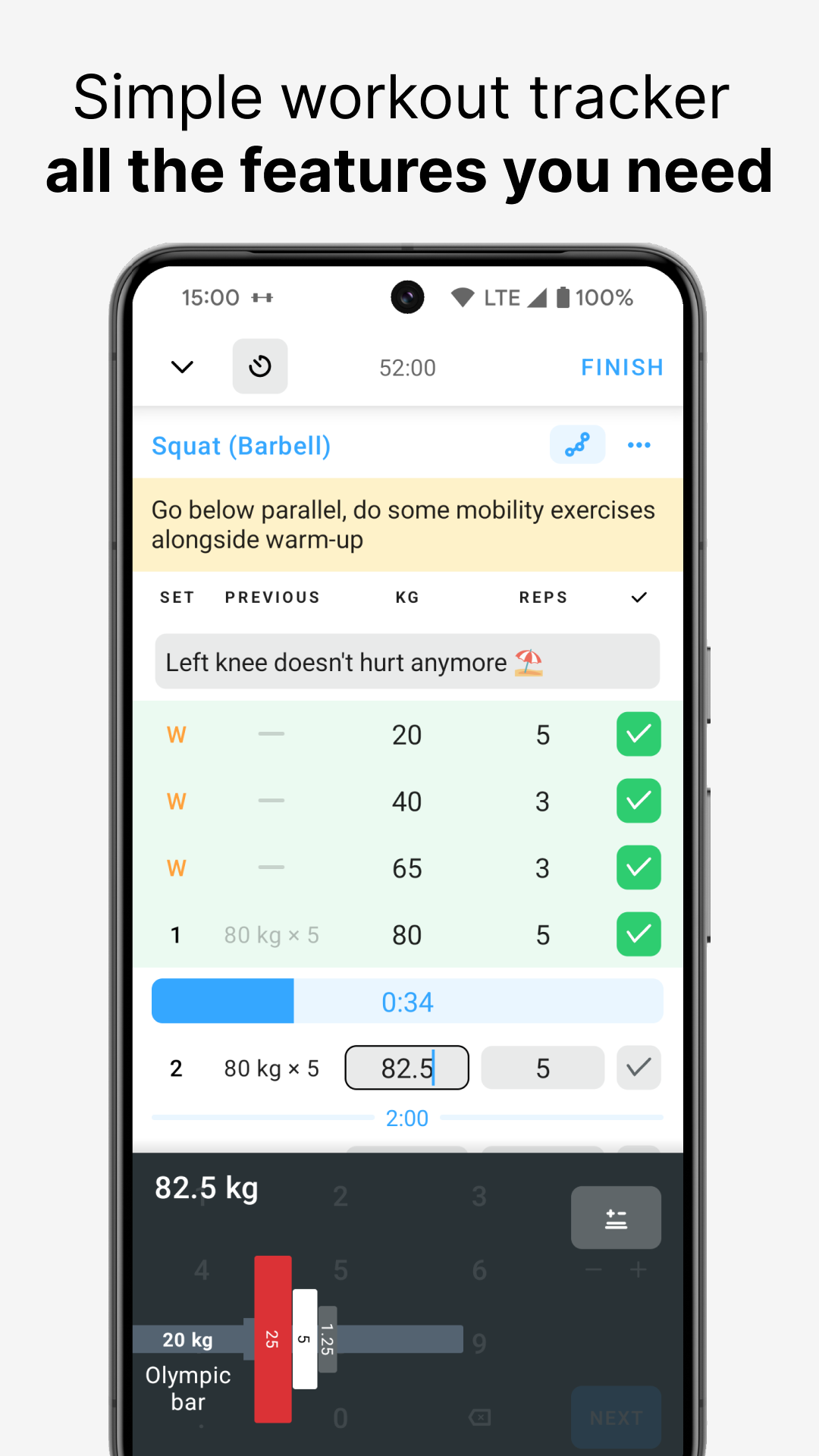
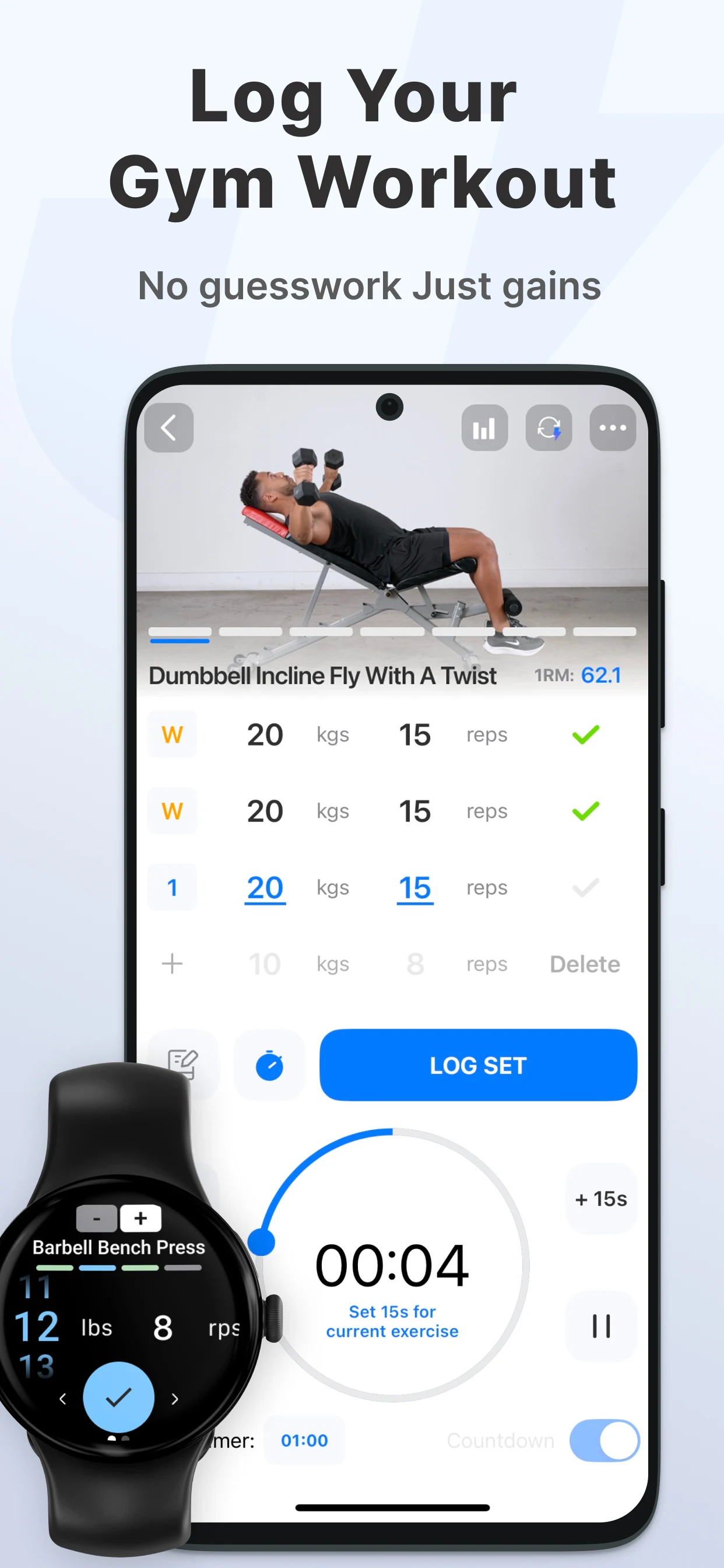
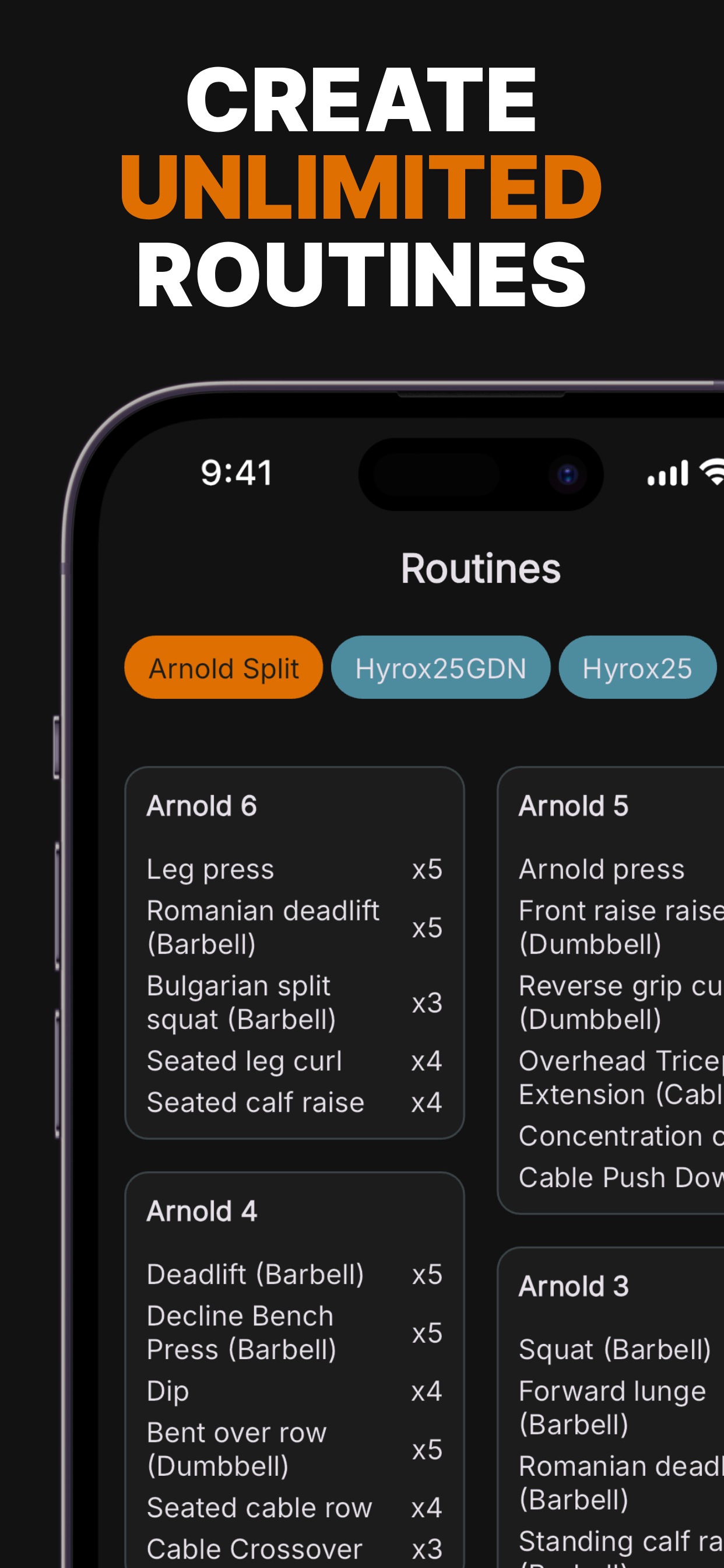
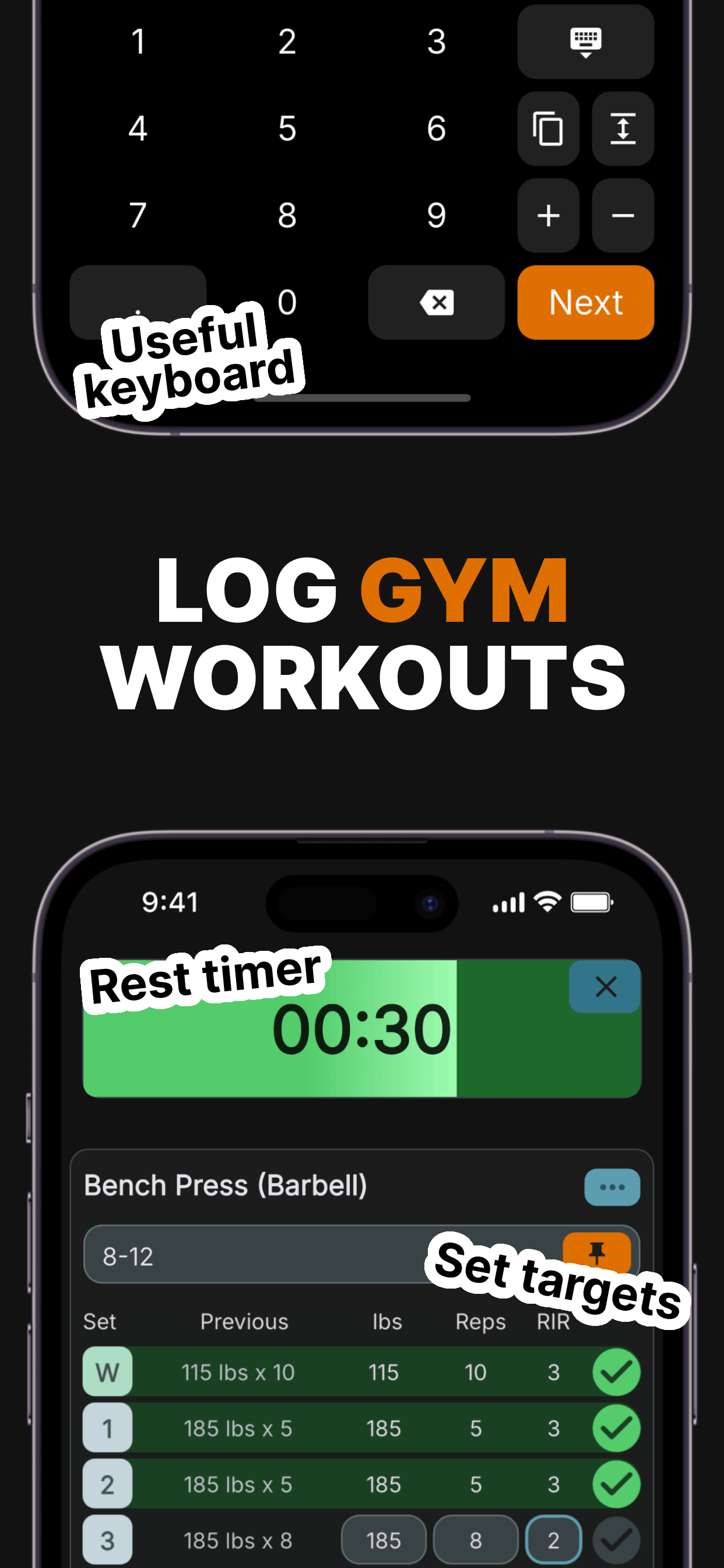
Strong is a no-nonsense workout tracker that has been a staple for serious lifters for years. The interface is minimal and functional, designed to get out of your way during a workout. It supports all equipment types including dumbbells, barbells, machines, and cables, making it a solid all-rounder for gym use.
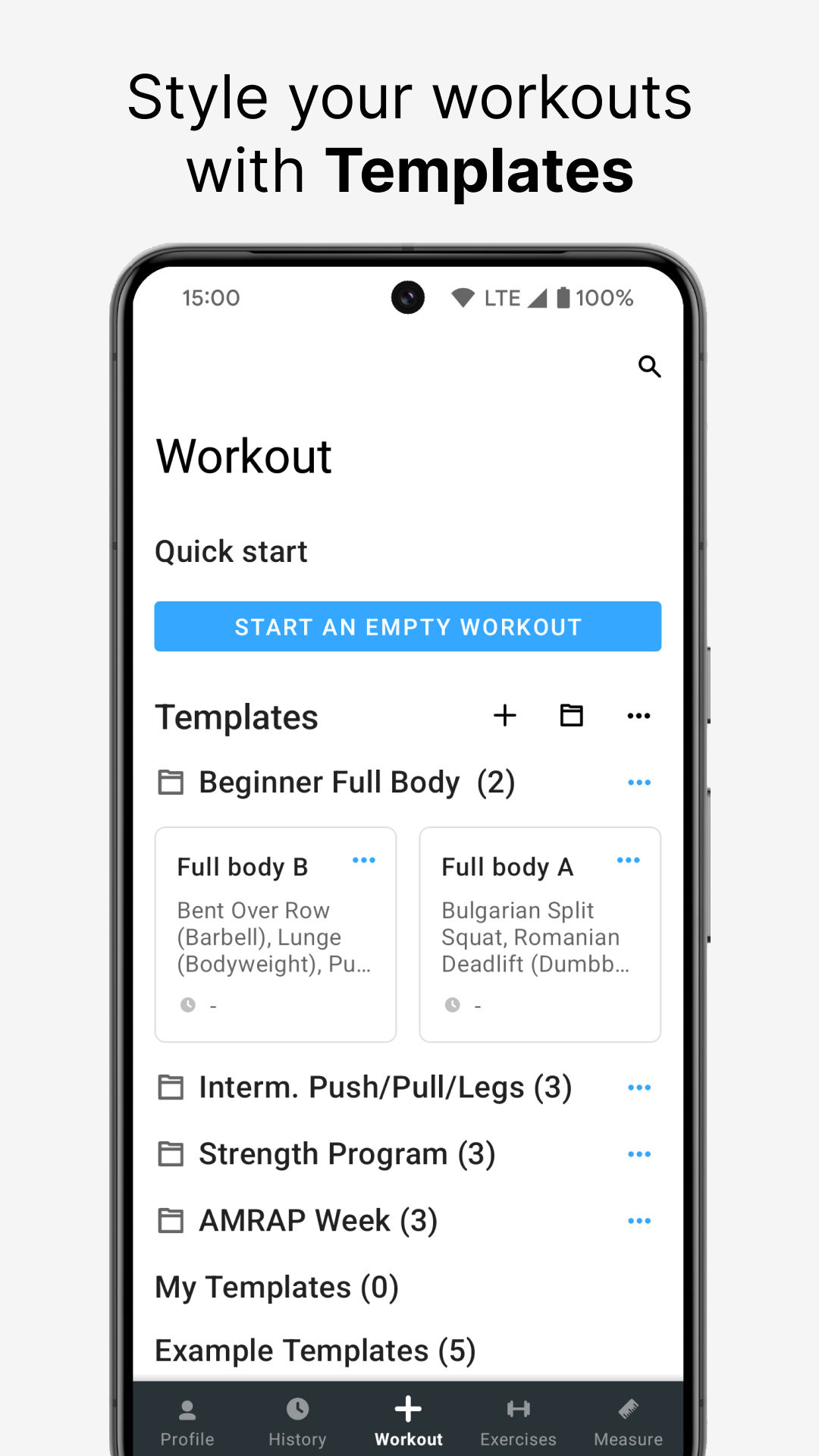
The free version lets you create up to three custom routines and log unlimited workouts. Pro removes the routine limit and adds features like workout duration tracking, advanced charts, and Apple Watch support. Strong also supports supersets and tracks one-rep max estimates for strength benchmarking.
Strong is the app for lifters who value simplicity and speed. It does not try to coach you or generate programs. Instead, it gives you a fast, reliable way to track your dumbbell workouts and monitor progress over time. The charts and personal records system make it easy to see when you are stalling and need to adjust. If you train at a gym with mixed equipment, Strong handles everything seamlessly.
Pros
- Minimal, distraction-free interface
- Fast workout logging with Apple Watch support
- Supports supersets and one-rep max tracking
- Affordable Pro subscription
Cons
- Free tier limited to three custom routines
- No program generation or coaching features
- No social features
4. JEFIT Best Exercise Library
Free / $69.99 yr Elite · 4.8 stars
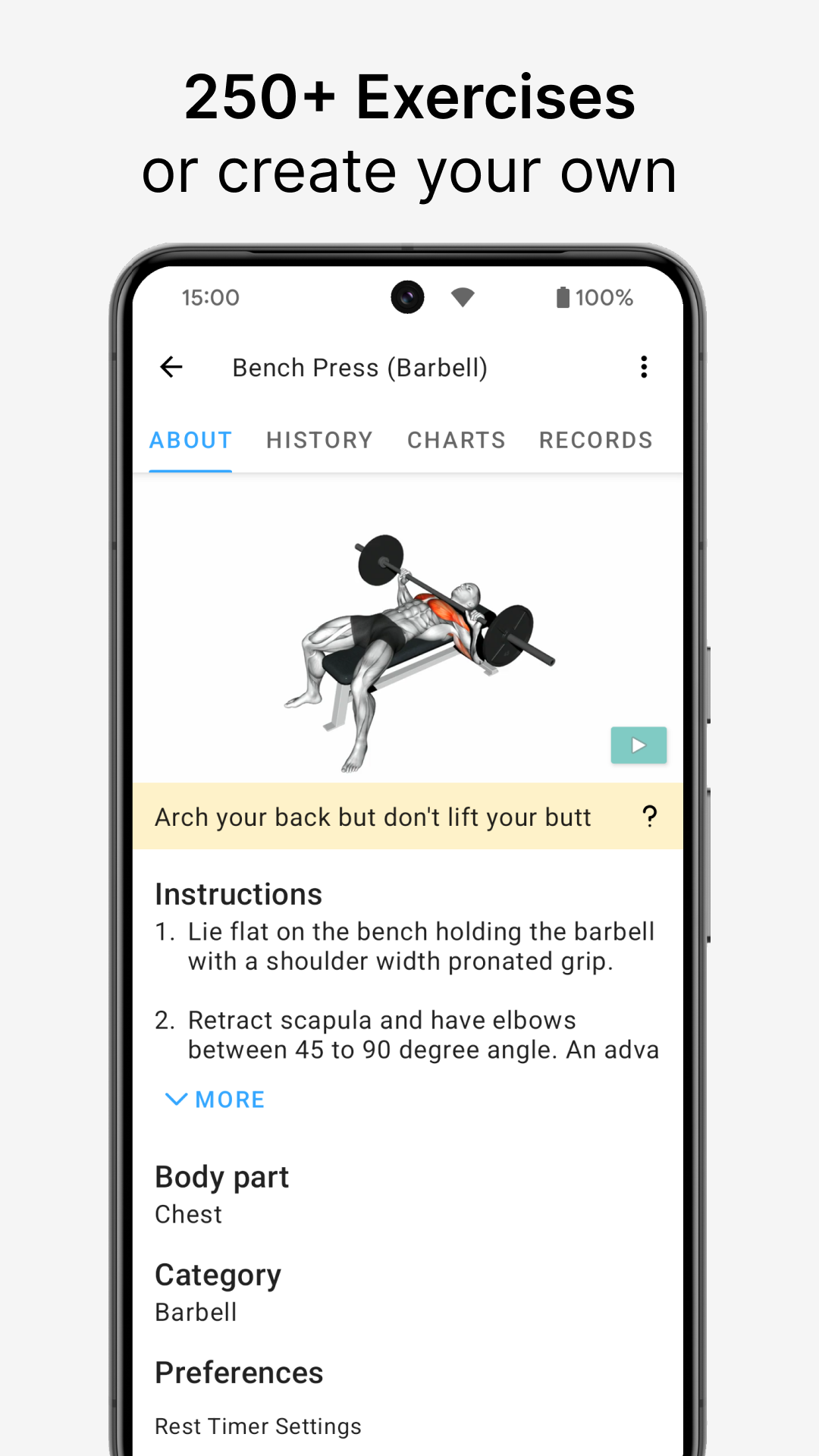
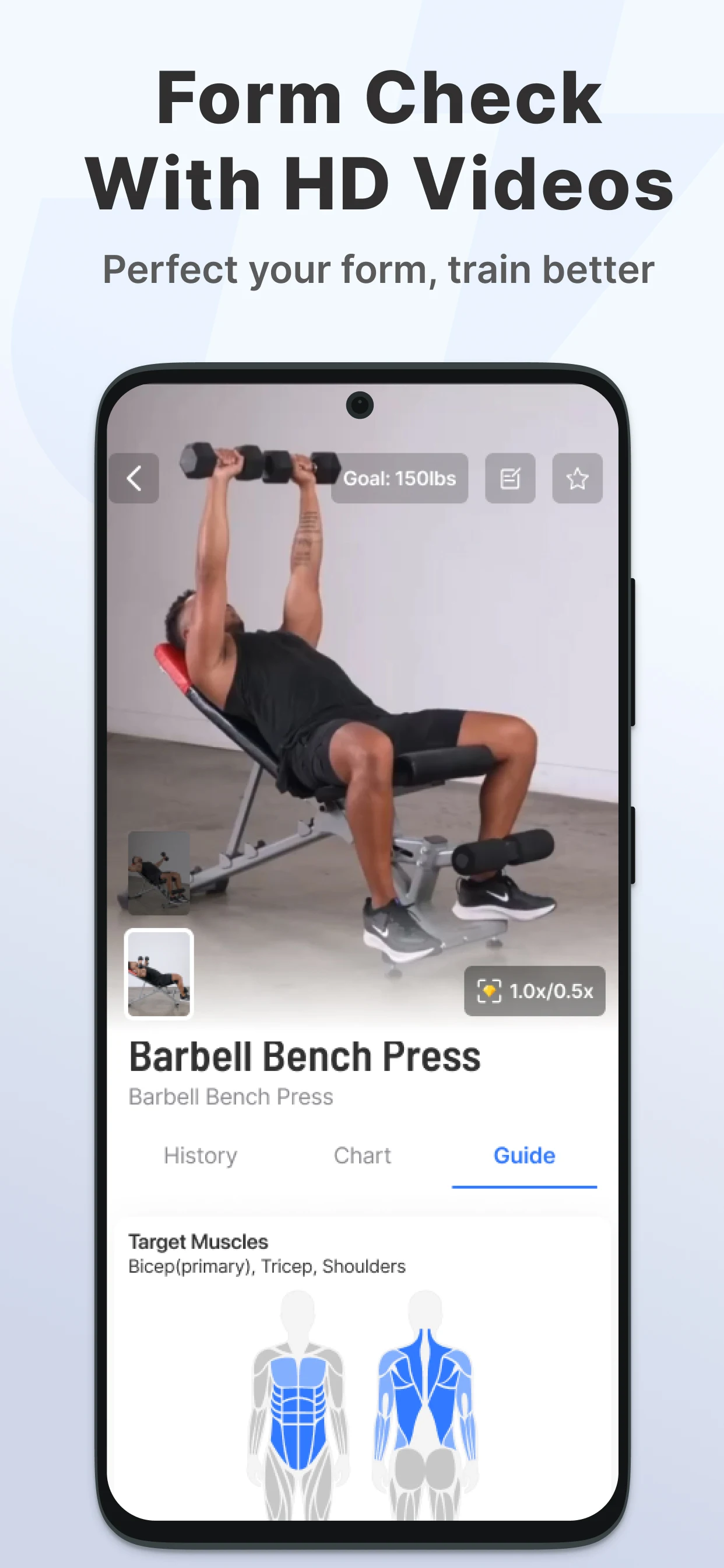
JEFIT has one of the largest exercise databases of any fitness app, with over 1,400 exercises covering dumbbells, barbells, machines, cables, and bodyweight. Every exercise includes HD video demonstrations and detailed muscle-group targeting. If you want to explore new dumbbell movements or target specific muscles, JEFIT is the best reference available.
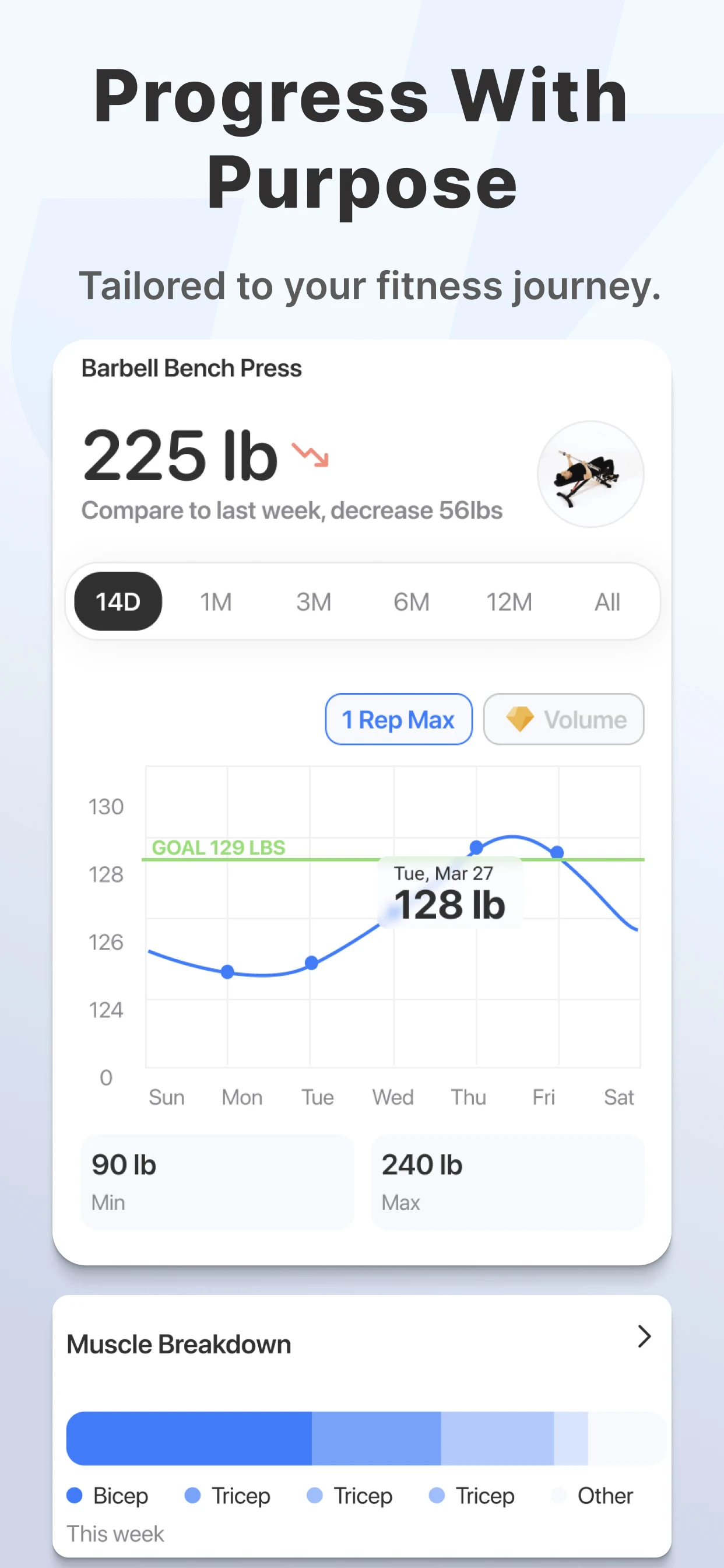
The app includes pre-built dumbbell workout plans, a custom routine builder, and detailed progress tracking with volume analytics and body measurements. The community is large and active, with millions of shared routines you can import. A recent AI-powered progressive overload system recommends weight and rep adjustments based on your history.
The trade-off is complexity. JEFIT packs a lot of features into its interface, which can feel cluttered compared to more focused apps. The free tier is ad-supported, and Elite ($69.99/year) unlocks advanced analytics, smartwatch workouts, and premium routines. For someone who wants a massive exercise library and does not mind a busier UI, JEFIT delivers excellent depth.
Pros
- Massive exercise database (1,400+ with HD video)
- Millions of community-shared routines
- Detailed progress tracking and body measurements
- AI-powered progressive overload suggestions
Cons
- Interface can feel cluttered
- Free tier is ad-supported
- Annual pricing only for Elite tier
5. FitBod Best AI Programming
Free trial / $12.99 mo · $79.99 yr · 4.8 stars
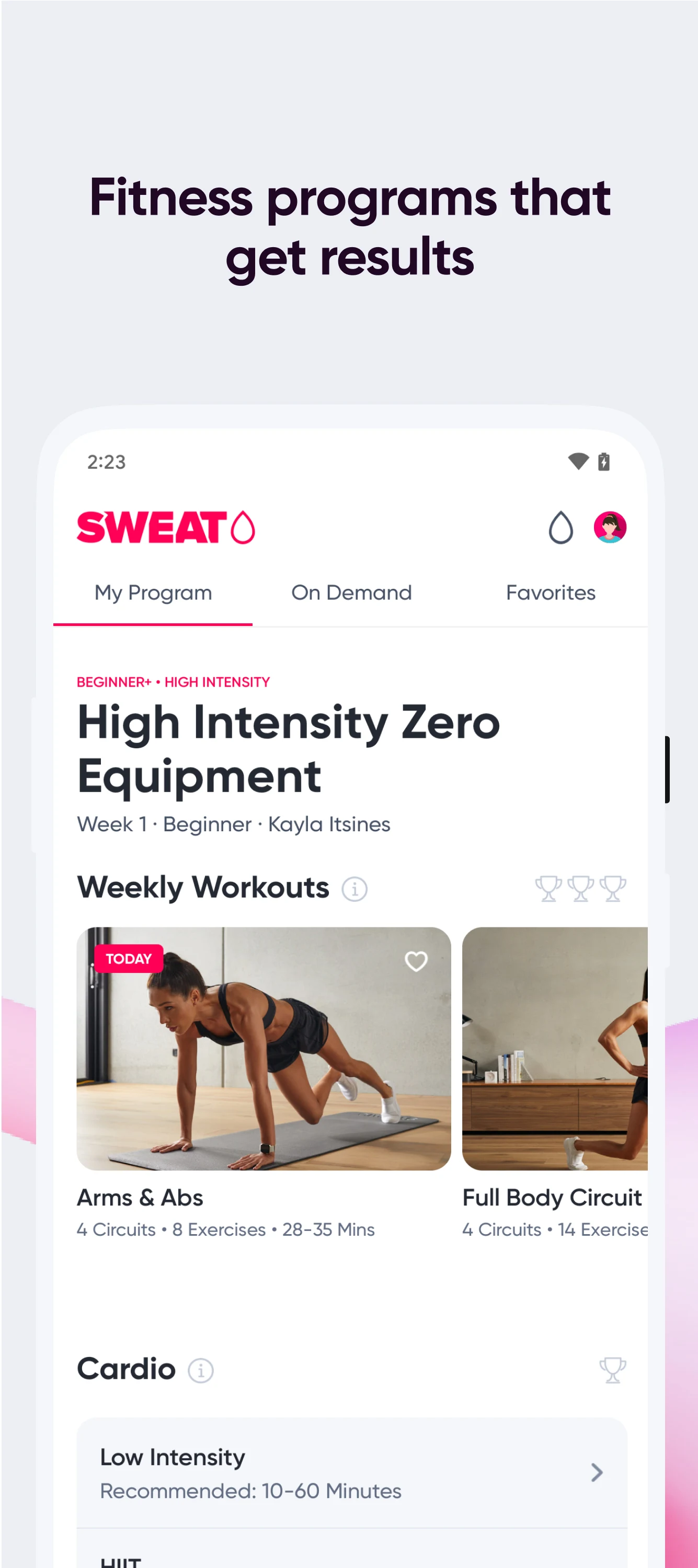
FitBod is built entirely around AI-generated workouts. Tell it what equipment you have (including dumbbells and their weight range), your experience level, and your goals, and it generates a session targeting the muscles that are most recovered. Each workout adapts based on your history, fatigue levels, and available time.
The AI considers muscle group recovery, training frequency, and exercise variety to avoid repetition. Exercises come with 3D muscle-map animations and detailed form instructions. FitBod supports integration with Apple Health and Apple Watch, and workouts can be exported or shared. The algorithm improves the more you train with it.
FitBod is the best option if you want a true hands-off experience: show up, do what the app tells you, go home. The downside is price and control. At $12.99/month, it is the most expensive app on this list. The free trial is limited to three workouts, and there is no meaningful free tier. You also have less control over programming structure compared to apps like Fitloop where you can build and tweak your own plans.
Pros
- Fully AI-generated workouts based on recovery and history
- 3D muscle-map animations for every exercise
- Adapts to your exact equipment including dumbbell weights
- Apple Watch integration
Cons
- Most expensive option at $12.99/mo
- No meaningful free tier (3-workout trial only)
- Less control over programming and exercise selection
- Can feel repetitive after extended use
How We Evaluated These Apps
We evaluated each app across five criteria specific to dumbbell training. Here is what we looked at and why it matters.
Dumbbell Exercise Coverage
How well does the app support dumbbell-specific movements? We evaluated the breadth of the dumbbell exercise library, the quality of demonstrations, and whether the app handles dumbbell-specific details like weight increments and single-arm variations.
Program Generation & Structure
Does the app create structured dumbbell programs, or is it just a logger? We prioritized apps that generate periodized plans with progressive overload built in, especially those that adapt to your available equipment.
Progressive Overload Tracking
The foundation of strength training. We evaluated how each app tracks and encourages progressive overload: does it prompt you to increase weight or reps? Does it show clear progress over time?
User Interface & Workout Flow
A workout app needs to be fast and intuitive mid-set. We evaluated how quickly you can log a set, navigate between exercises, and adjust weight. Apps that require too many taps scored lower.
Pricing & Free Tier
What can you do without paying? Apps that lock basic workout logging behind a paywall scored lower. We evaluated whether paid features justify their price relative to competitors.
Interested in bodyweight training? See our guide to the 7 best calisthenics apps in 2026. Many athletes combine dumbbell and bodyweight training for a well-rounded program.
Frequently Asked Questions
What is the best dumbbell workout app for beginners?
Fitloop is the best dumbbell workout app for beginners. Its AI plan generator creates personalized programs based on your experience level and available equipment. You can generate a complete beginner dumbbell program in under a minute, and the app guides you through progressive overload so you know when to increase weight. The free tier includes everything you need to get started.
Can I build muscle with just dumbbells at home?
Yes. Dumbbells are one of the most effective tools for building muscle at home. With adjustable dumbbells or a few pairs of fixed-weight dumbbells, you can train every major muscle group through a full range of motion. The key is progressive overload: gradually increasing weight, reps, or sets over time. A good dumbbell workout app tracks this progression automatically so you do not have to manage it yourself.
Do I need a paid app for dumbbell workouts?
No. Several apps on this list offer generous free tiers. Fitloop gives you full workout logging, rest timers, and health app integration for free. Hevy and Strong also offer unlimited logging on their free plans. Paid tiers typically add AI plan generation, advanced analytics, and premium programs, which are nice to have but not essential for effective training.
What is the difference between a workout tracker and a workout planner?
A workout tracker (like Hevy or Strong) logs what you do: exercises, sets, reps, and weight. A workout planner (like Fitloop or FitBod) generates your program and tells you what to do each session. Some apps do both. If you already have a program you follow, a tracker is enough. If you want guidance on what exercises to do and how to progress, look for an app with plan generation.
What dumbbells should I buy for home workouts?
Adjustable dumbbells are the most space-efficient and cost-effective option for home training. Popular choices include Bowflex SelectTech (5-52.5 lbs per dumbbell) and PowerBlock (various weight ranges). If you prefer fixed dumbbells, start with 3-4 pairs covering light (10-15 lbs), medium (20-30 lbs), and heavy (35-50 lbs) ranges. Most dumbbell workout apps let you specify your available weights so programs stay within your equipment range.
How many days per week should I do dumbbell workouts?
Most people see great results training with dumbbells 3-4 days per week. This allows enough training volume for muscle growth while giving your body time to recover. A common split is upper/lower (4 days) or full-body (3 days). Apps like Fitloop and FitBod generate programs that account for recovery and training frequency, so you do not need to figure out the split yourself.
Start Your Dumbbell Program Today
Fitloop generates personalized dumbbell workout plans with AI, tracks your progressive overload automatically, and syncs with Apple Health and Health Connect. Free to download, no credit card required.